
- Providing world class service and value for employee benefit group plans since 1987

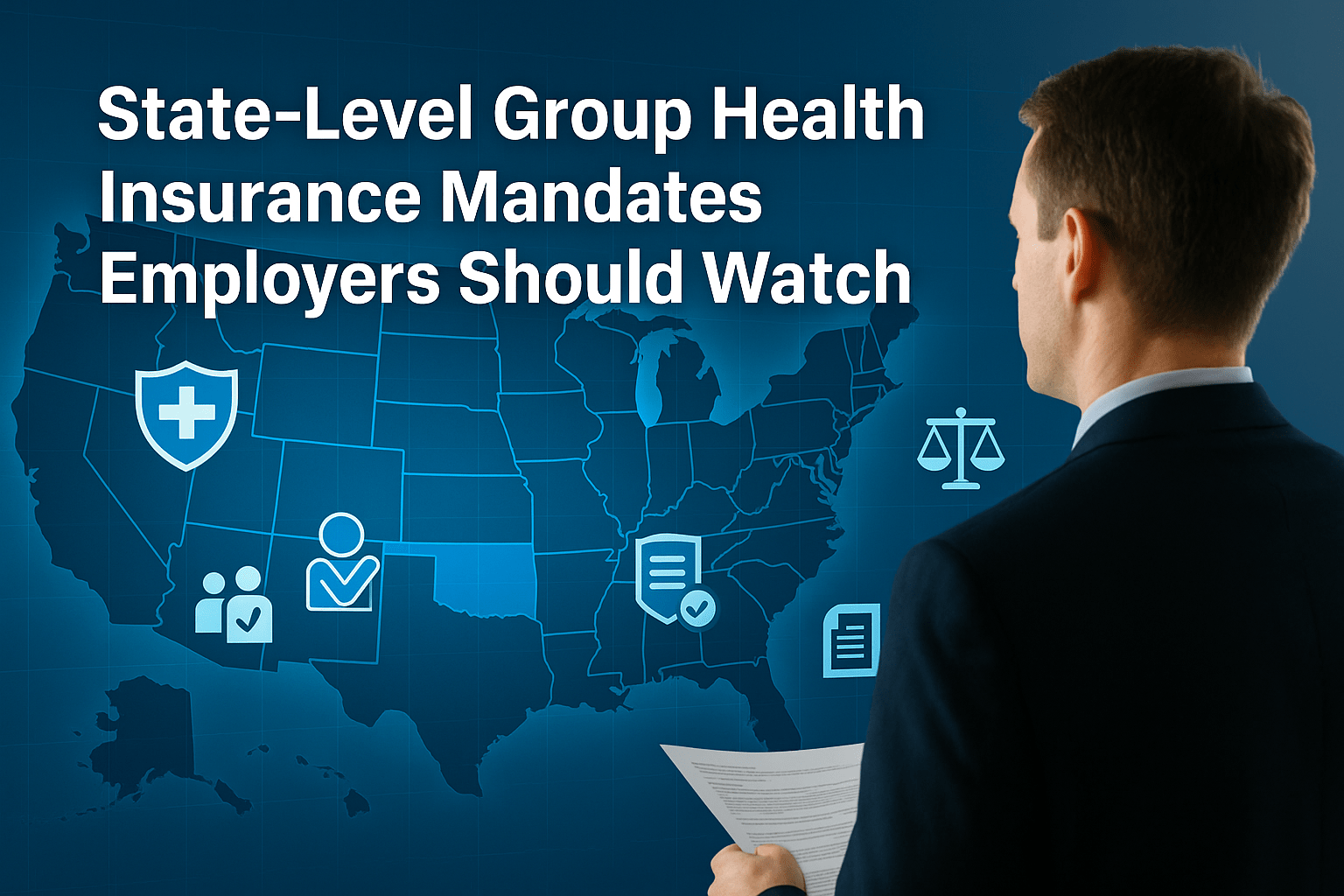
In the past, most employers could look to Washington, D.C. for guidance on employee benefits. The Affordable Care Act (ACA), ERISA, and COBRA set clear federal standards for offering and managing health coverage. But over the last several years, a new trend has emerged — states have begun enacting their own health insurance mandates, filling gaps in federal regulation and addressing unique local priorities.
For employers — especially those operating
Read Full Article Here
The definition of “family” has changed — and so have employees’ expectations of how employers support it.
In 2026, the best organizations recognize that work and life no longer exist in separate worlds. The modern employee wants to build a fulfilling career and a meaningful family life — without having to choose one over the other. For employers, that means rethinking parental leave and family benefits not as optional perks, but as essential components
Read Full Article Here
The modern workplace is more diverse, global, and socially conscious than at any other time in history. Employers are no longer judged solely by their products or profits but by how they treat their people — and how fairly they create opportunities for everyone.
In this new era, Diversity, Equity, and Inclusion (DEI) are not optional ideals; they are strategic imperatives. While companies often begin their DEI journeys through hiring initiatives or leadership programs,
Read Full Article Here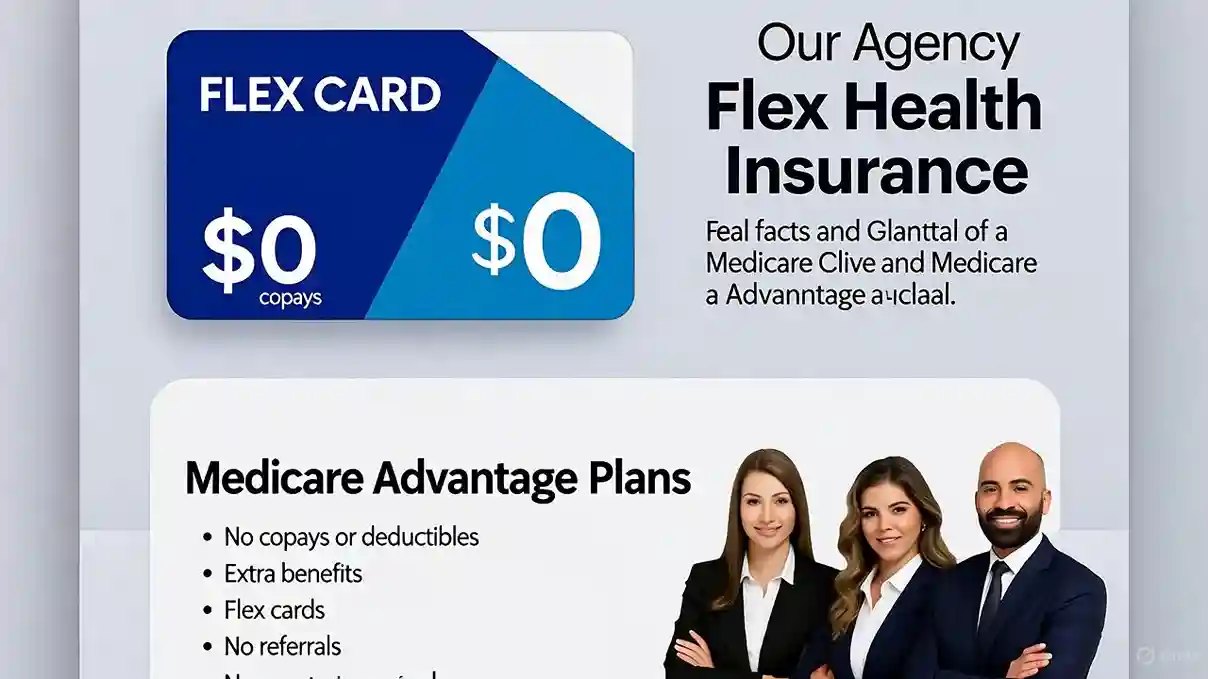
Flex health insurance, a new approach to medical expenses that provides individuals and companies with additional choices concerning the methods of their payment. Flex health insurance is not the same as ordinary plans because it is often accompanied by such features as prepaid cards or accounts where customers save money as per their needs, and hence reduce the amount of funds they need to pay out of pocket. This may be of great assistance to individuals who
Read Full Article Here
It can be very stressful to lose a job and, in particular, health insurance. Employer-sponsored plans benefit millions of citizens in the US. And if you lose your job, unfortunately, you might not be covered in the meantime, and this would result in high medical expenses or the lack of timely medical care. The article discusses the principal methods of obtaining health insurance upon loss of employment, including immediate continuation plans, government subsidies, etc. These paths
Read Full Article Here
Getting proper medical care could be very expensive and may not be in reach for every citizen. Thus, as a result of not affording proper medical care, consequences could be severe. Hence, in 2010, under the Affordable Care Act (ACA) Health Insurance Marketplace was established. It is a life-changing platform that provides millions of Americans with the ability to access high-quality health insurance at a low cost. Marketplace allows such an easy way to compare and
Read Full Article Here
The world of employee benefits is undergoing a transformation unlike anything seen before. In the past, benefits programs were built around static insurance policies, basic retirement plans, and annual open enrollment meetings. But as technology evolves, so do the expectations of employees — and the tools employers use to meet them.
Artificial intelligence, data analytics, and digital health technologies are reshaping how companies design, deliver, and manage benefits. These innovations aren’t just making administration more efficient — they’re helping

When was the last time you asked your employees what they really think about their benefits?
For many employers, benefits are one of the largest expenses after payroll — yet few organizations regularly gather feedback to ensure those dollars are spent effectively.
That’s where an employee benefits survey comes in.
A well-designed survey helps employers understand which benefits employees value most, which ones they rarely use, and where there are gaps in coverage or
Read Full Article Here
Many people in the present day strategically invest in their health insurance, so in case of any mishap, they don’t need to panic about expenses. But it is also important to understand that not all their medical expenses are covered by their primary health insurance. This is where the supplemental health insurance steps in to close the gaps created by the regular plans by providing additional coverage. It provide you with the freedom of mind and
Read Full Article Here
Employee turnover is expensive — and for industries like hospitality, retail, manufacturing, and healthcare, it’s practically constant. While many factors drive turnover (wages, management, work-life balance), one of the most overlooked retention levers is employee benefits.
In 2025’s job market, workers have more options than ever — and they’re choosing employers who offer security, support, and care through meaningful benefits. For high-turnover industries, offering the right benefits can mean the difference between constant
Read Full Article Here
We just started working with Taylor Benefits and could not be happier. Todd gave us quite the education as well as some time saving tools to help us manage our HR and save money too. We are looking forward to a long relationship!”
-Carol, Accounting Manager, recruitment marketing company, Campbell, CA
We’re ready to help! Call today: 800-903-6066