- Providing world class service and value for employee benefit group plans since 1987

Every year, thousands of employer-sponsored health plans miss the RxDC filing deadline, not because they decided to ignore it, but because they assumed someone else was handling it. That assumption has quietly become one of the most common compliance gaps in group health plan administration, and it's one the federal agencies are paying increasing attention to. The Prescription Drug Data Collection (RxDC) reporting requirement, established under the Consolidated Appropriations Act of 2021 (CAA 2021), requires group health plans and health
Read Full Article Here
The 2024 Mental Health Parity Final Rule is the most consequential update to mental health coverage requirements since the Mental Health Parity and Addiction Equity Act (MHPAEA) was enacted in 2008. For employers who assumed their health plan was already compliant because it listed mental health benefits in the summary plan description, the rule delivers an uncomfortable message: listing a benefit and meaningfully covering it are not the same thing — and the federal government
Read Full Article Here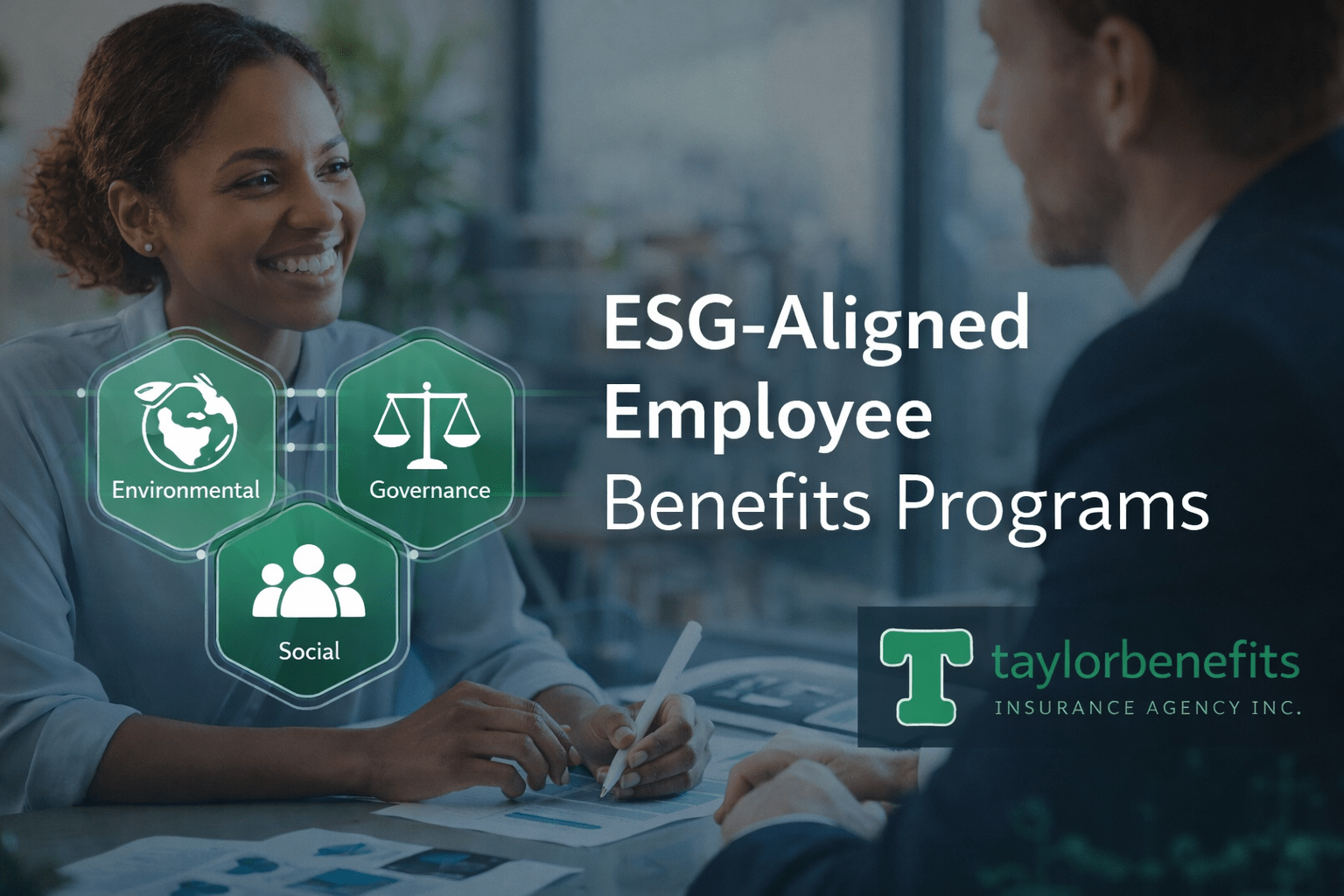
Environmental, Social, and Governance (ESG) priorities are no longer limited to corporate reporting—they are now central to how organizations attract, retain, and support talent. As companies look for meaningful ways to embed ESG into their operations, employee benefits programs have emerged as a powerful and often underutilized lever.
Benefits are more than perks; they reflect an organization’s values. From inclusive healthcare coverage to financial wellness and sustainable incentives, ESG-aligned benefits demonstrate a commitment to employee well-being,
Read Full Article Here
As organizations increasingly rely on digital platforms to manage employee benefits, the importance of cybersecurity and data privacy has never been greater. Benefits administration involves handling highly sensitive information—ranging from personal identification details to protected health information (PHI). A single breach can result in financial losses, legal consequences, and reputational damage.
For employers, safeguarding this data is not just a technical responsibility—it’s a strategic imperative. This blog explores how organizations protect sensitive Read Full Article Here
Your benefits broker may be earning more from your health plan than you realize, and under federal law, they're now required to tell you exactly how much, from whom, and in what form.
Section 202 of the Consolidated Appropriations Act of 2021 (CAA 2021) introduced one of the most significant transparency requirements in the history of employer-sponsored benefits: a mandatory compensation disclosure obligation for brokers and consultants who service group health plans
Read Full Article Here
Most HR teams didn't hear about gag clause attestation until the filing deadline was already close. That's a problem, because the requirement has been in place since the Consolidated Appropriations Act of 2021 (CAA 2021) took effect, annual attestations are now a standing compliance obligation, and the Department of Labor (DOL), Department of Health and Human Services (HHS), and Department of the Treasury are all watching.
If your group health plan contains
Read Full Article Here