By Todd Taylor
|
Last updated: July 21, 2026
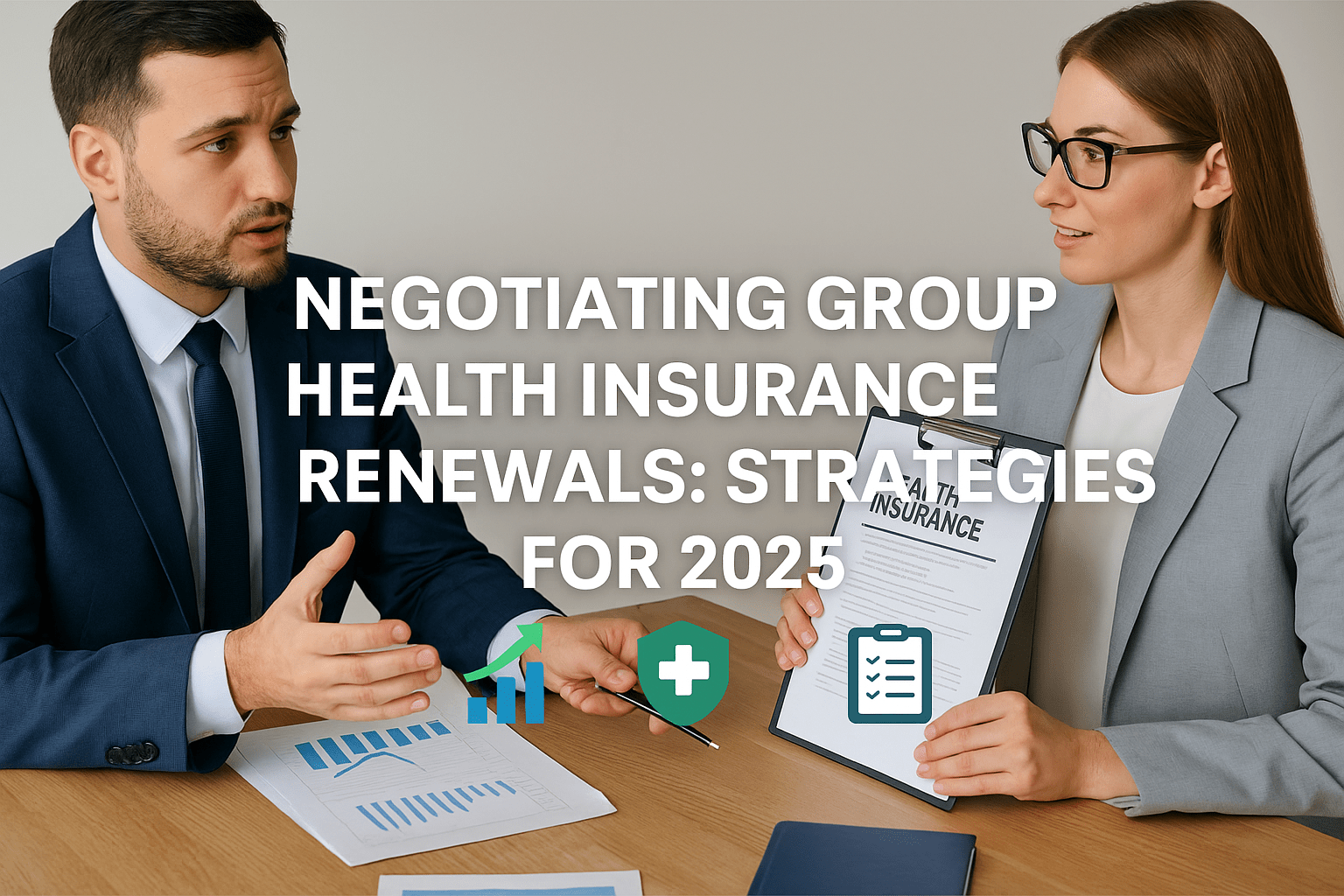
Every year, employers brace for the same challenge: the group health insurance renewal process. Premium increases, shifting employee needs, and compliance requirements make renewals one of the most critical — and stressful — times for HR leaders and business owners.
In 2026, with medical inflation and evolving employee expectations, it’s more important than ever to approach renewals strategically. This guide will walk you through how group health insurance renewals work, why costs are rising, and
Read Full Article Here
By Todd Taylor
|
Last updated: July 18, 2026
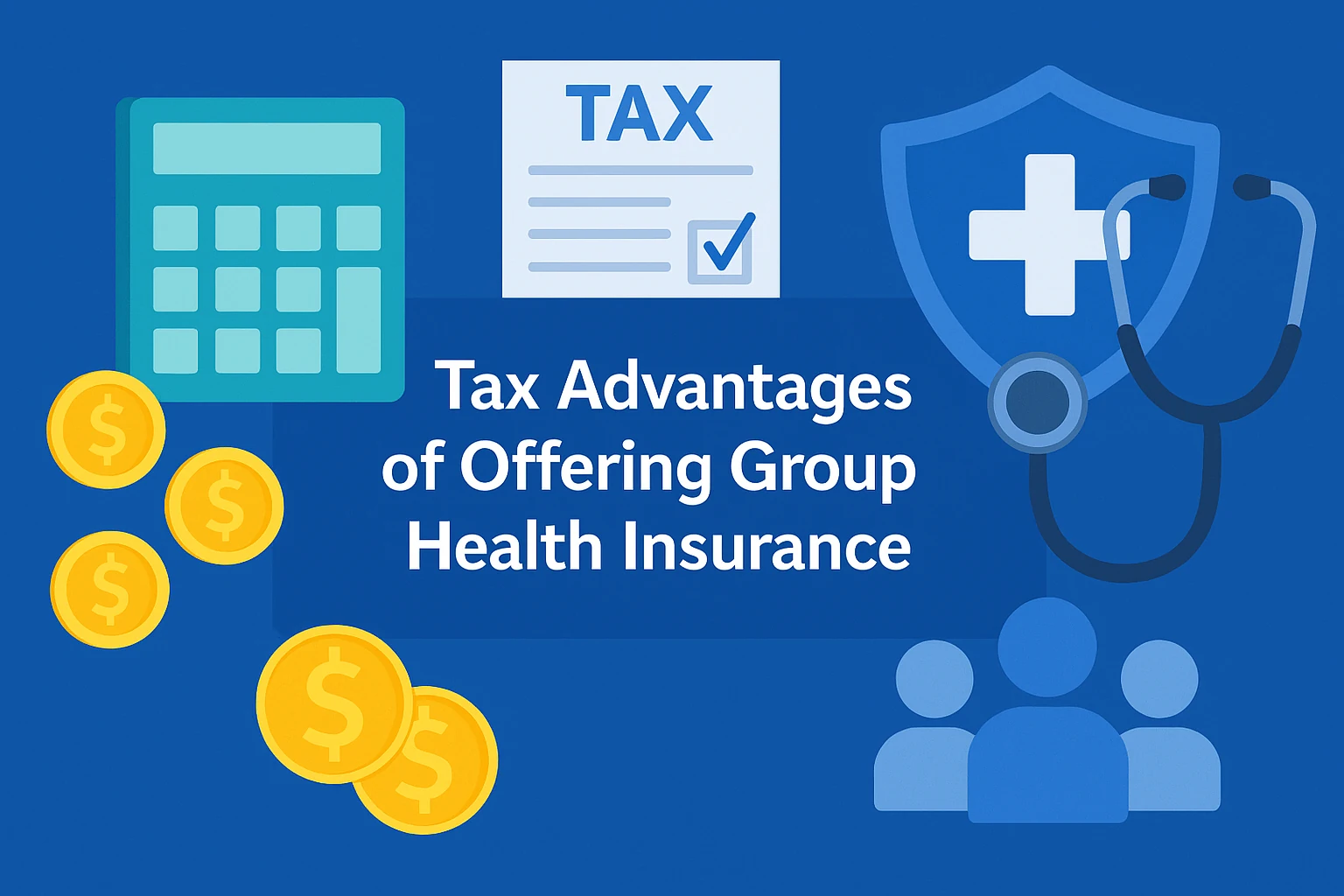
For many businesses, providing health insurance is the single most expensive employee benefit. But what often goes overlooked is that offering group health insurance comes with significant tax advantages for employers. These advantages can help offset costs, improve cash flow, and make providing coverage more financially sustainable.
This guide will explore the key tax benefits of offering group health insurance in 2025, including deductions, credits, and payroll tax savings — and why employers of all sizes
Read Full Article Here
By Todd Taylor
|
Last updated: July 19, 2026
Choosing the right group health insurance plan is one of the most critical decisions employers make. Health benefits are not only the second largest business expense after payroll, but they also play a vital role in attracting and retaining top talent.
Yet many companies, from small businesses to large organizations, make costly mistakes when shopping for group health insurance. These errors can lead to overspending, compliance risks, and unhappy employees.
In this article, we’ll
Read Full Article Here
By Todd Taylor
|
Last updated: July 18, 2026
When offering employee benefits, compliance is just as important as cost and coverage. One area that often confuses employers is Section 125 nondiscrimination testing. If your company offers a Cafeteria Plan (sometimes called a Section 125 plan), you are required by the IRS to perform annual nondiscrimination testing.
Failing this test can result in significant tax consequences, particularly for highly compensated and key employees. In this guide, we’ll break down what Section
Read Full Article Here
By Todd Taylor
|
Last updated: July 18, 2026
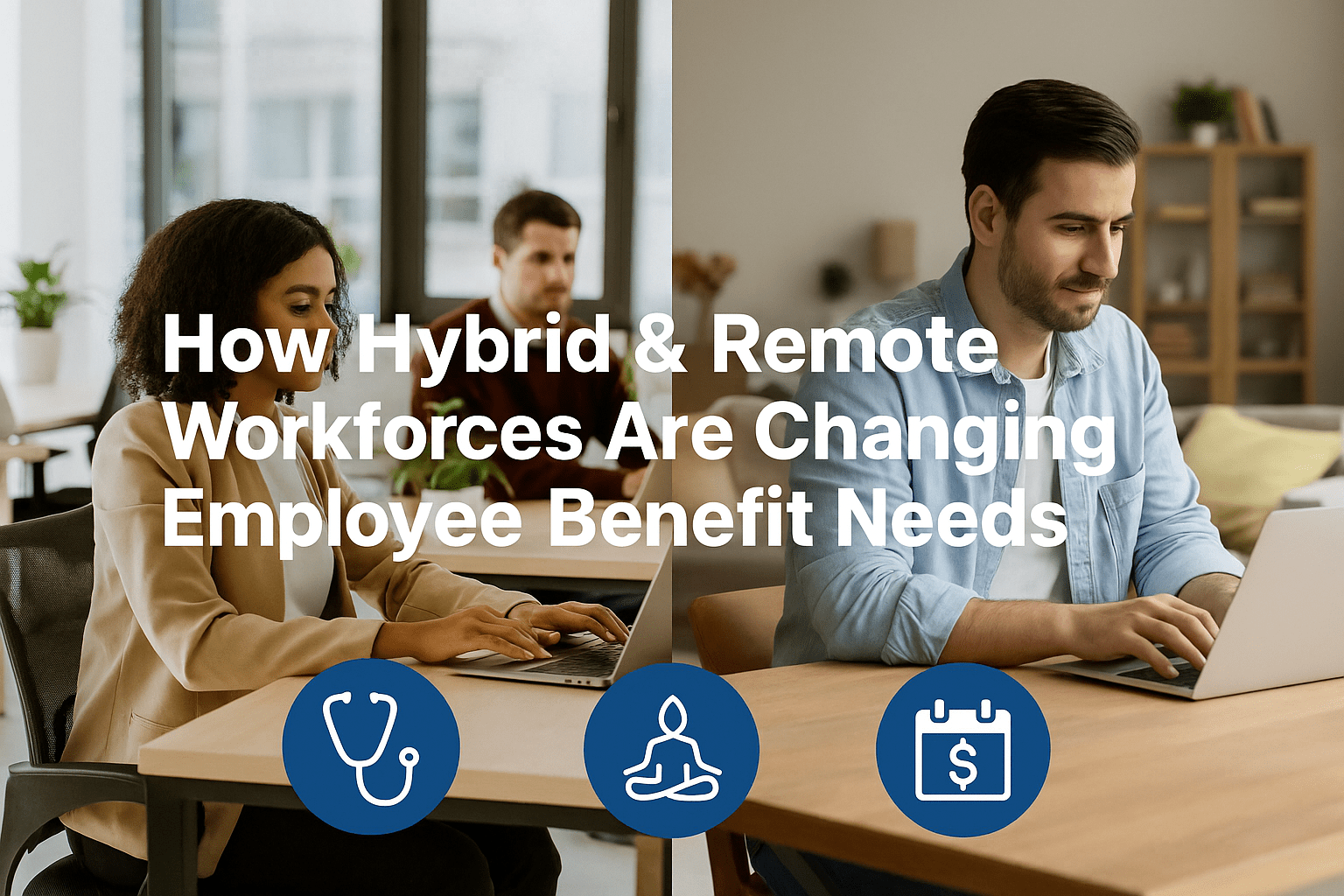
The way we work has changed forever. What began as an emergency response to the pandemic has evolved into a long-term transformation: hybrid and remote work models are now mainstream. According to Gallup, more than 70% of U.S. employees in eligible roles work remotely at least part of the time in 2025.
This shift has profound implications for employee benefits. Traditional packages built around in-office
Read Full Article Here
By Todd Taylor
|
Last updated: July 18, 2026
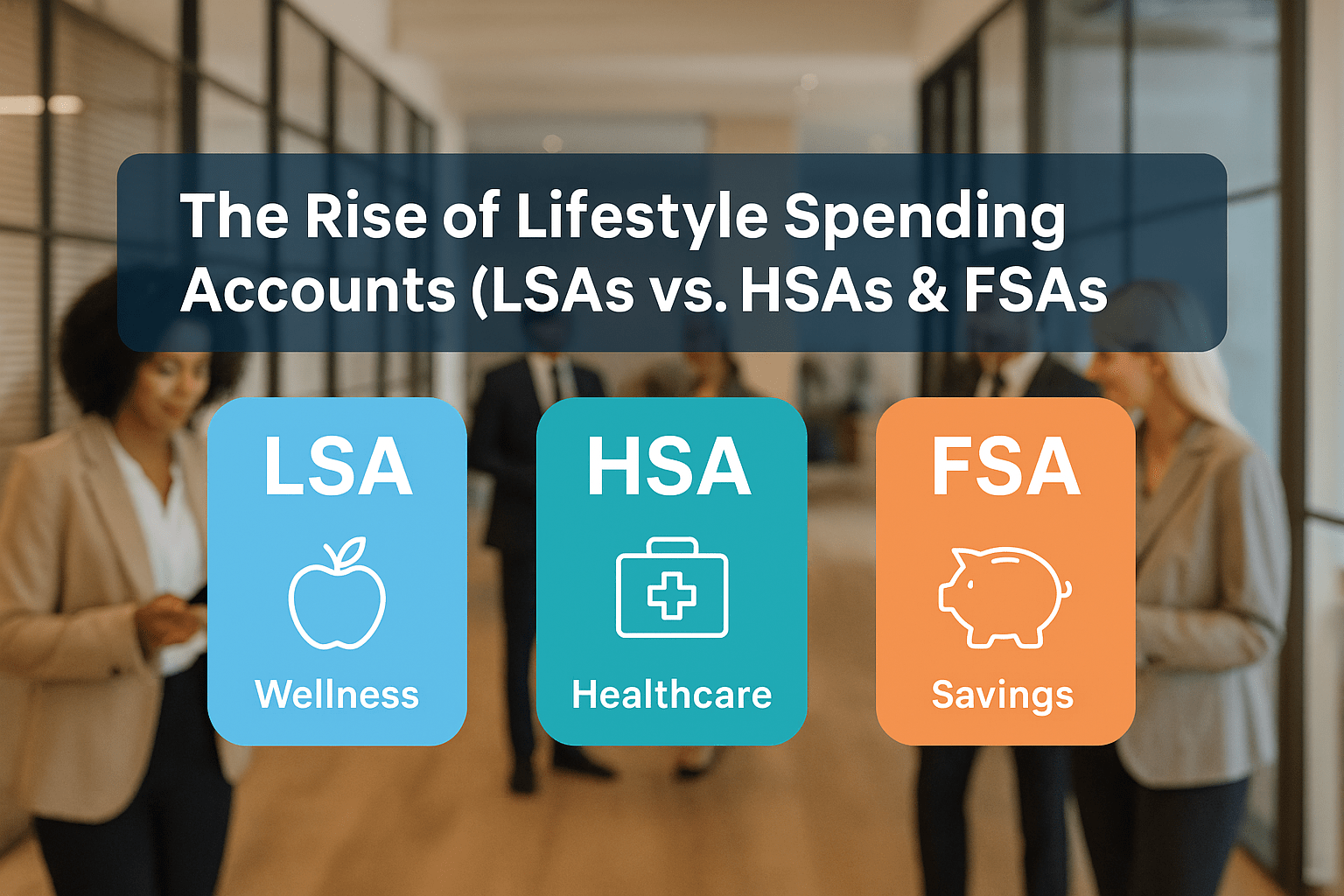
Employee benefits are rapidly evolving to meet the demands of a modern workforce. For decades, tax-advantaged accounts like Health Savings Accounts (HSAs) and Flexible Spending Accounts (FSAs) have been the backbone of employer-sponsored healthcare savings. But recently, a new type of perk has emerged: the Lifestyle Spending Account (LSA).
In 2025, LSAs are becoming one of the most popular ways for employers to offer flexible, personalized perks that support employee well-being beyond traditional healthcare. So
Read Full Article Here
By Todd Taylor
|
Last updated: July 18, 2026
Employee benefits are evolving faster than ever, and if there’s one clear trend shaping 2026, it’s the rising importance of mental health and wellness benefits. Once considered “nice-to-have perks,” these programs are now a strategic priority for HR leaders who want to retain talent, reduce healthcare costs, and build resilient, productive workforces.
In this guide, we’ll explore why mental health and wellness benefits are taking center stage, which programs are most effective, and how employers can
Read Full Article Here
By Todd Taylor
|
Last updated: July 18, 2026
Selecting a benefits broker is one of the most important HR and finance decisions growing companies make. Your broker isn’t just a middleman—they’re your advisor, compliance partner, and strategic guide.
But with hundreds of brokers competing for your business, how do you know which one is the right fit?
A structured Request for Proposal (RFP) process ensures you evaluate each candidate on the same criteria, ask the right questions, and compare apples-to-apples. In
Read Full Article Here
By Todd Taylor
|
Last updated: July 24, 2026