
- Providing world class service and value for employee benefit group plans since 1987

The benefits landscape in 2026 is being reshaped by one of the most significant pieces of legislation in recent years: the One Big
Read Full Article Here
Pharmacy costs have become one of the fastest-growing and least understood components of employer healthcare spending. For many organizations, prescription drugs—particularly specialty medications—now
Read Full Article Here
As healthcare costs continue to climb, employers are increasingly questioning whether paying more automatically leads to better care. In many cases, the answer
Read Full Article Here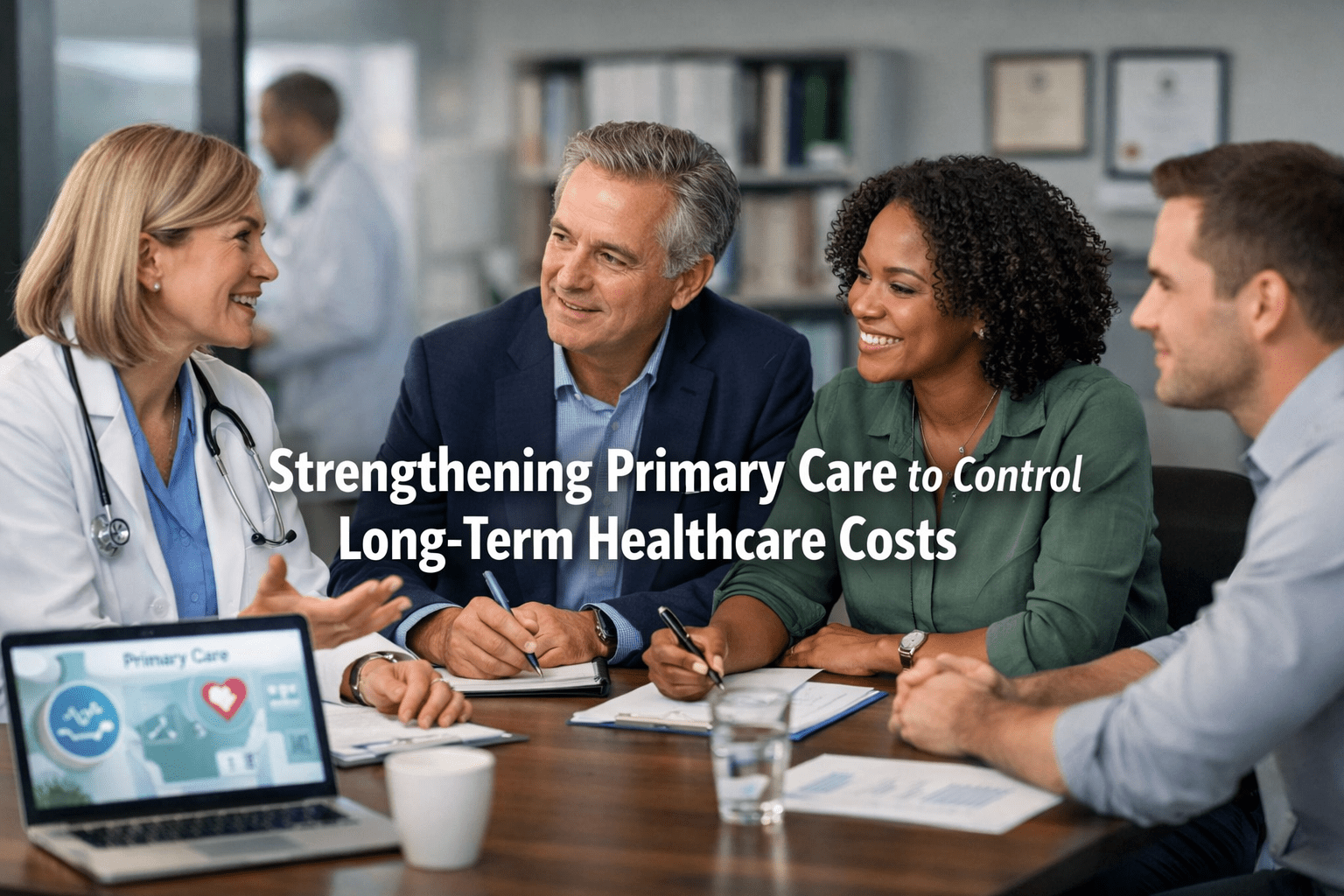
As employers search for sustainable ways to manage rising healthcare costs, many are rediscovering a strategy that has long been undervalued: strong, accessible primary care. While much attention is placed on premiums, specialty drugs, and hospital pricing, primary care quietly influences nearly every downstream healthcare expense.
In 2026, employers that prioritize primary care are finding that it is not just a clinical benefit—it is a financial strategy that delivers long-term cost control and better employee outcomes.

As healthcare costs continue to rise, many employers focus on premiums, deductibles, and contributions while overlooking one of the most powerful cost-control tools
Read Full Article Here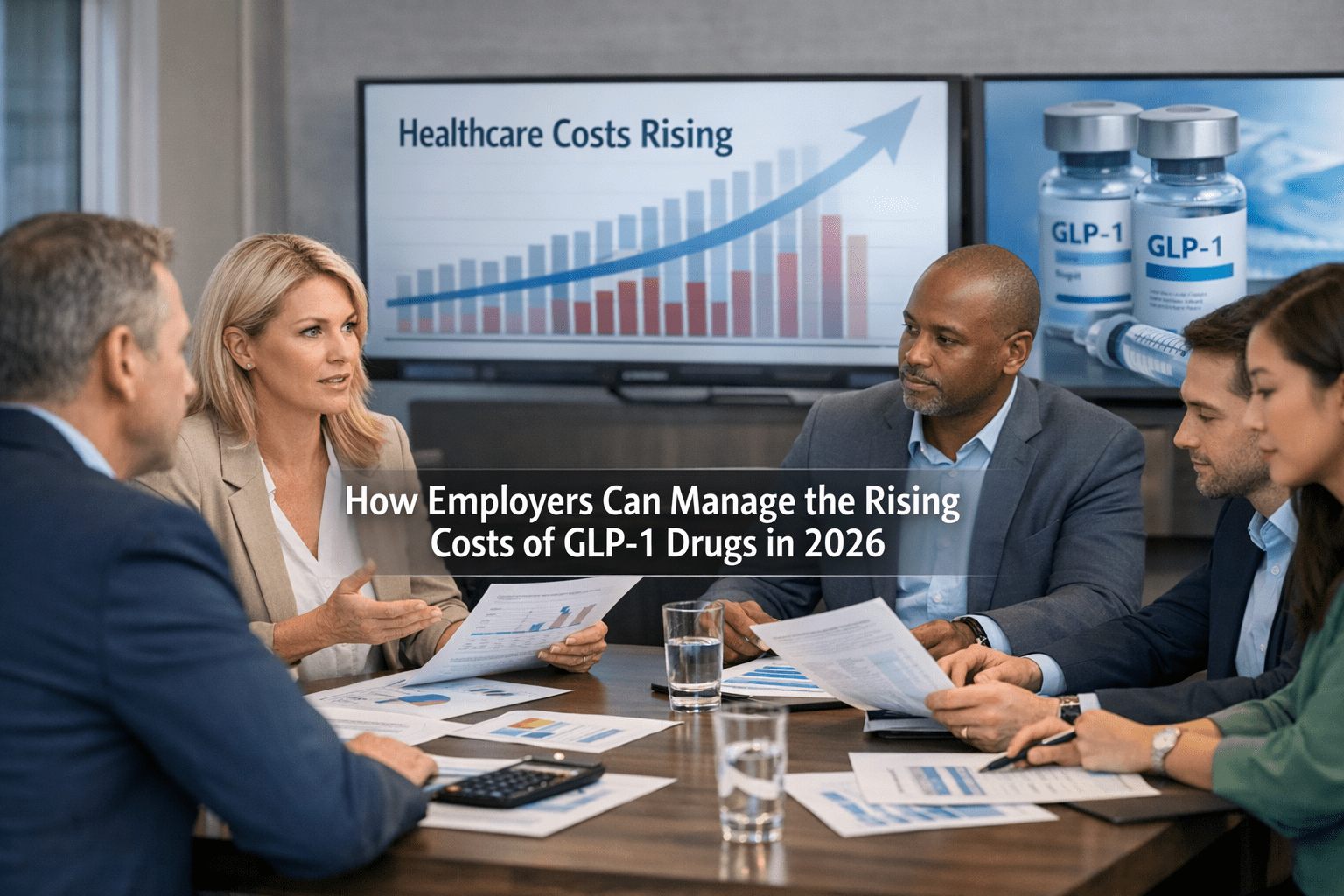
GLP-1 medications have rapidly moved from a niche diabetes treatment to one of the most disruptive cost drivers in employer-sponsored health plans. Originally
Read Full Article Here
As healthcare costs continue to rise, many employers are questioning whether traditional carrier networks still deliver sufficient value. In response, direct contracting with
Read Full Article Here
For many employers, double-digit health insurance renewals are no longer an exception—they are becoming the norm. As organizations move into 2026, rising medical
Read Full Article Here
Group health insurance premiums are rising again in 2026, and for many employers, the increases feel both relentless and opaque. While carriers often
Read Full Article Here
Gene and cell therapies are no longer theoretical breakthroughs confined to research journals. In 2026, they are becoming a real and growing presence within employer-sponsored health plans. FDA-approved treatments such as Lyfgenia for sickle cell disease and Elevidys for muscular dystrophy now carry price tags exceeding $3 million per patient, often delivered in a single administration.
While these therapies offer life-changing outcomes, they introduce a level of financial risk that traditional Read Full Article Here

We just started working with Taylor Benefits and could not be happier. Todd gave us quite the education as well as some time saving tools to help us manage our HR and save money too. We are looking forward to a long relationship!”
-Carol, Accounting Manager, recruitment marketing company, Campbell, CA
We’re ready to help! Call today: 800-903-6066