
- Providing world class service and value for employee benefit group plans since 1987

A 25-person software company competing for the same developer talent as a 5,000-person enterprise does not have the same benefits budget. It rarely has the same HR infrastructure, the same carrier leverage, or the same purchasing power at renewal. What it does have — and what larger employers often don't — is flexibility, speed, and the ability to design a benefits package from scratch rather than defend a legacy structure that nobody particularly likes but everyone is afraid to
Read Full Article Here
Most employers receive some version of a claims report from their carrier or TPA at least once a year. A significant number of those reports get reviewed once, briefly, and filed. That's an expensive habit. Claims data is the most direct window into what is actually driving your health plan's costs — not what you budgeted, not what your carrier
Read Full Article Here
The pitch for level-funded health plans is compelling on its face: pay a fixed monthly amount like a fully insured plan, but get access to your claims data, potentially share in the surplus if your employees stay healthy, and avoid the community-rated premium increases that punish well-managed groups on the fully insured market. For the right employer, that pitch is accurate. For the wrong employer, it's a way to take on self-funding risk without fully understanding what that risk means
Read Full Article Here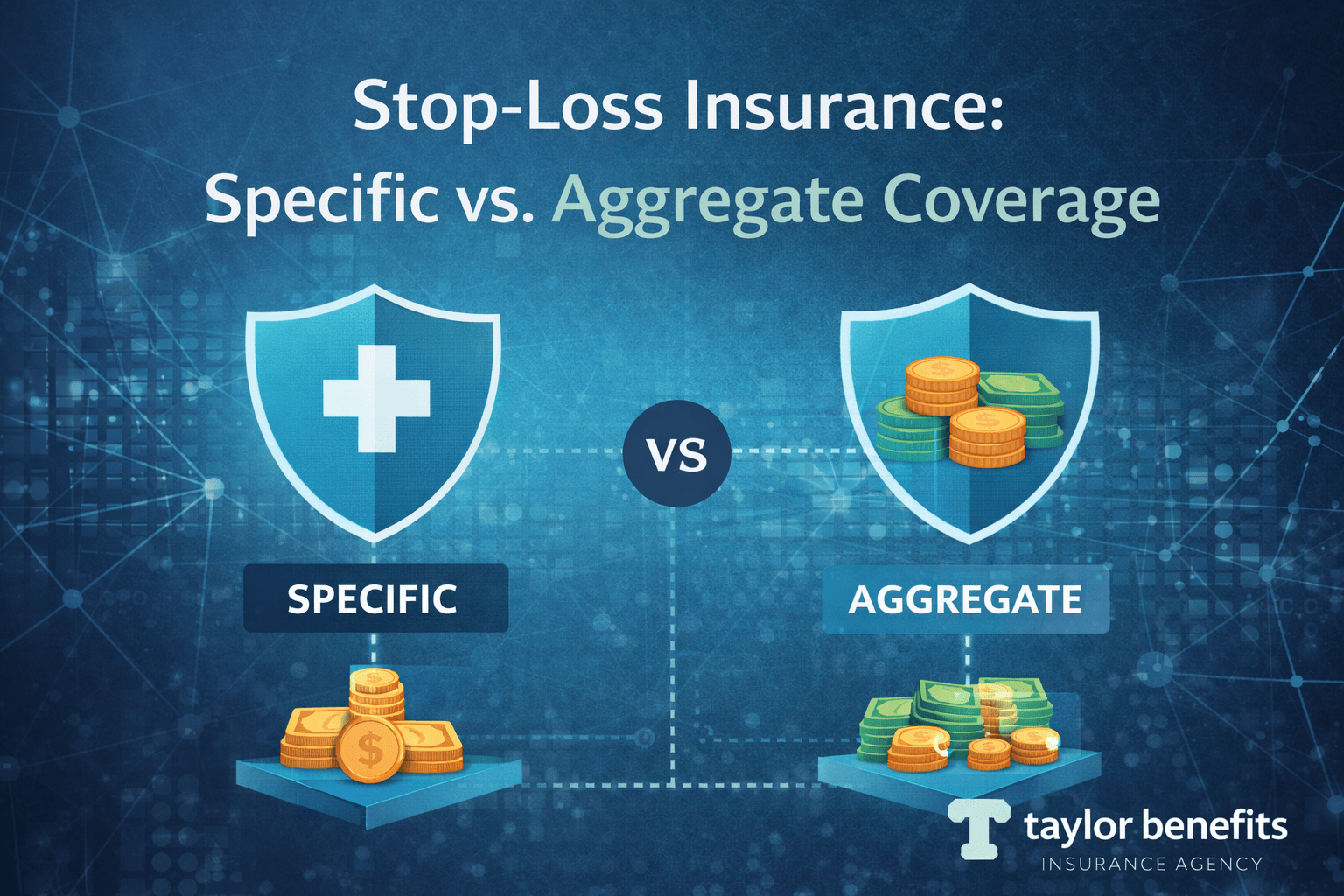
Self-funding a group health plan puts an employer in the position of insurer — responsible for paying claims as they come in, with direct exposure to every high-cost event that hits the plan. For most employers, that exposure is manageable across the predictable middle of the claims distribution: routine office visits, generic prescriptions, standard outpatient procedures. What it is not designed to absorb without protection is the outlier — the premature infant in the NICU for four months, the
Read Full Article Here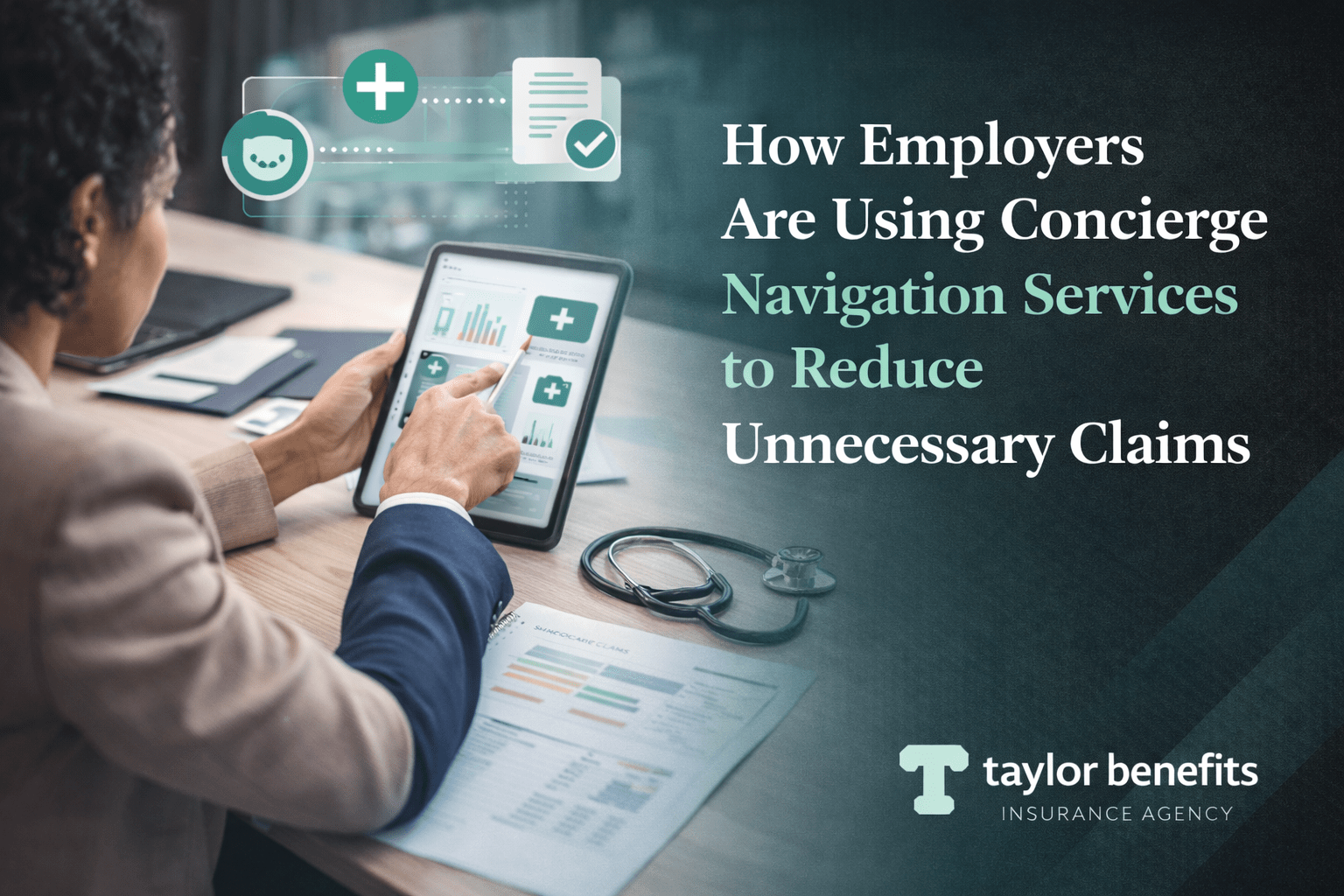
Consider a scenario most HR teams have seen play out more than once: an employee shows up to the emergency room with a sinus infection because they didn't know how to find an urgent care clinic in their network. Or a worker schedules an MRI at a hospital outpatient facility — at three times the cost of an independent imaging center — because nobody told them there was a lower-cost alternative. Or a plan member proceeds with a surgery
Read Full Article Here
Every year, thousands of employer-sponsored health plans miss the RxDC filing deadline, not because they decided to ignore it, but because they assumed someone else was handling it. That assumption has quietly become one of the most common compliance gaps in group health plan administration, and it's one the federal agencies are paying increasing attention to. The Prescription Drug Data Collection (RxDC) reporting requirement, established under the Consolidated Appropriations Act of 2021 (CAA 2021), requires group health plans and health
Read Full Article Here
The 2024 Mental Health Parity Final Rule is the most consequential update to mental health coverage requirements since the Mental Health Parity and Addiction Equity Act (MHPAEA) was enacted in 2008. For employers who assumed their health plan was already compliant because it listed mental health benefits in the summary plan description, the rule delivers an uncomfortable message: listing a benefit and meaningfully covering it are not the same thing — and the federal government
Read Full Article Here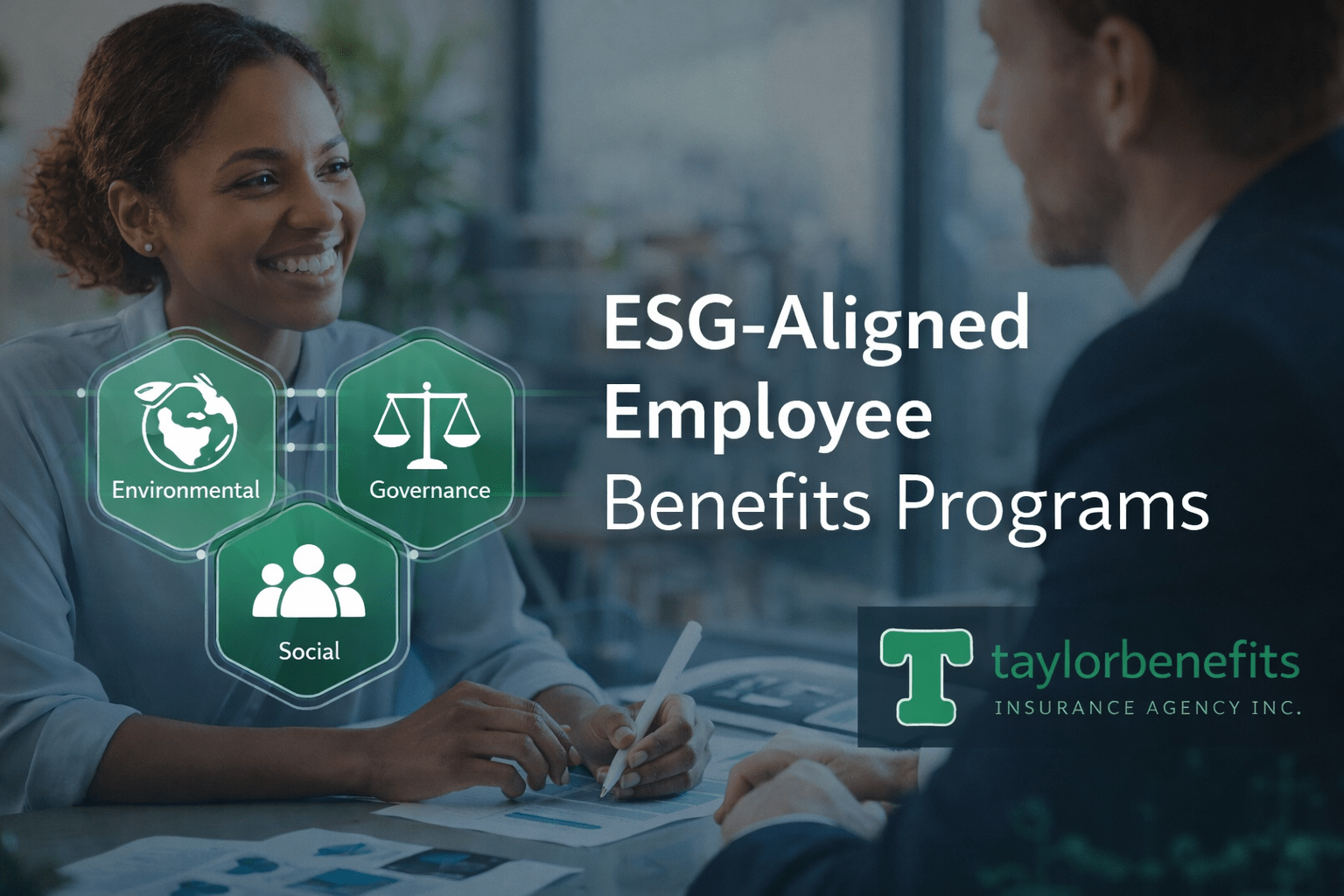
Environmental, Social, and Governance (ESG) priorities are no longer limited to corporate reporting—they are now central to how organizations attract, retain, and support talent. As companies look for meaningful ways to embed ESG into their operations, employee benefits programs have emerged as a powerful and often underutilized lever.
Benefits are more than perks; they reflect an organization’s values. From inclusive healthcare coverage to financial wellness and sustainable incentives, ESG-aligned benefits demonstrate a commitment to employee well-being,
Read Full Article Here
As organizations increasingly rely on digital platforms to manage employee benefits, the importance of cybersecurity and data privacy has never been greater. Benefits administration involves handling highly sensitive information—ranging from personal identification details to protected health information (PHI). A single breach can result in financial losses, legal consequences, and reputational damage.
For employers, safeguarding this data is not just a technical responsibility—it’s a strategic imperative. This blog explores how organizations protect sensitive Read Full Article Here
Your benefits broker may be earning more from your health plan than you realize, and under federal law, they're now required to tell you exactly how much, from whom, and in what form.
Section 202 of the Consolidated Appropriations Act of 2021 (CAA 2021) introduced one of the most significant transparency requirements in the history of employer-sponsored benefits: a mandatory compensation disclosure obligation for brokers and consultants who service group health plans
Read Full Article Here
We just started working with Taylor Benefits and could not be happier. Todd gave us quite the education as well as some time saving tools to help us manage our HR and save money too. We are looking forward to a long relationship!”
-Carol, Accounting Manager, recruitment marketing company, Campbell, CA
We’re ready to help! Call today: 800-903-6066