
- Providing world class service and value for employee benefit group plans since 1987


In recent years, wearable technology has evolved from a niche fitness accessory into a core component of employee health strategy. Smartwatches, fitness trackers, continuous glucose monitors, biometric patches, sleep monitors, and even smart clothing have entered the mainstream — and now, they’re reshaping how group health plans are designed, delivered, and optimized.
As healthcare costs rise and employee expectations shift toward proactive, personalized care, employers are increasingly turning to wearables to improve health outcomes, reduce claims, and support a culture of wellness. Insurance carriers are also leaning into this shift, offering incentives, premium discounts, and integrated wellness tools tied directly to wearable data.
At Taylor Benefits Insurance Agency, we help employers understand how wearable technology fits into modern benefits design, and how these tools can boost participation, reduce costs, and enhance the employee experience.
This in-depth guide explains how wearables are being integrated into group health plans in 2025, the benefits for employers and employees, and what organizations should consider before rolling out a wearable-based wellness strategy.
Traditional health plans operate reactively: addressing illness after it happens.
Wearable technology shifts this dynamic by enabling real-time monitoring, early detection, and proactive care.
Employees can track:
Daily movement and activity
Sleep quality
Heart rate variability
Stress levels
Blood oxygen
Blood glucose (for diabetics)
Irregular heart rhythms
Calorie expenditure
Overall cardiovascular fitness
This constant feedback loop encourages healthier behavior and helps detect problems before they lead to costly claims.
Employees — especially Millennials and Gen Z — expect digital wellness tools.
Wearables like Apple Watch, Fitbit, Oura Ring, Garmin, and Whoop have become part of daily life, making them a natural extension of modern benefits.
Major carriers now offer:
Wearable-integrated wellness programs
Discounts for participating employees
Incentives for meeting activity goals
Premium credits
Personalized coaching based on biometric data
Wearable integration is rapidly becoming an industry standard.
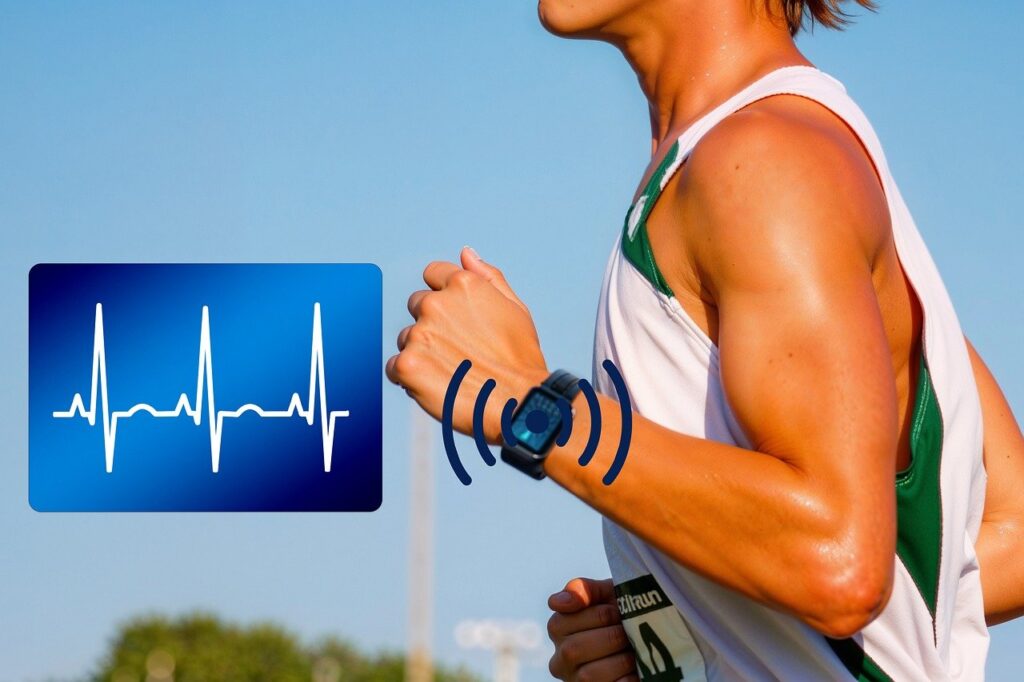
Wearables are transforming group health benefits in several major ways.
Employees who meet activity goals — such as steps, workouts, heart rate activity minutes, or sleep goals — can earn rewards.
Lower health insurance premiums
Gift cards
Lower deductibles
Contributions to wellness accounts
Paid wellness days
Employees stay motivated when rewards are tied directly to their behaviors.
Carriers love it because higher activity levels correlate with lower claims.
Wearables feed real-time wellness data into coaching platforms.
This enables personalized, adaptive health guidance, such as:
Weight loss support
Hypertension management
Stress reduction
Sleep improvement plans
Custom fitness routines
Chronic disease management
For employees with chronic conditions — such as diabetes, heart disease, or obesity — wearable data can significantly improve health outcomes.
Employers benefit by reducing high-cost claims, especially for preventable conditions.

Wearables can track:
Blood glucose levels (CGMs)
Cardiac irregularities
Sleep apnea risk
Oxygen saturation
Blood pressure trends
Heart rate abnormalities
Chronic conditions drive up to 80% of all employer healthcare costs.
Continuous monitoring reduces:
ER visits
Hospitalizations
Complications
Out-of-control chronic conditions
By catching early warning signs, wearables help prevent claims before they escalate.
Wearable data is now often shared with:
Telehealth providers
Digital clinics
Virtual primary care networks
Nurse triage services
A wearable detects elevated heart rate variability and poor sleep.
The telehealth provider reaches out, schedules a virtual checkup, and prevents a bigger problem.
This creates a seamless ecosystem of data → insight → action → prevention.

Many carriers now provide lower premiums for groups with high wellness engagement.
Participation in wearable programs
Achievement of biometric goals
Improved workforce health trends
Reduced claims over time
For employers, this translates to:
Lower renewal increases
More predictable cost trends
Better long-term plan sustainability
Wearables can be purchased or reimbursed through:
Health Savings Accounts (HSA)
Health Reimbursement Arrangements (HRA)
Employers increasingly reimburse:
Fitness trackers
Smart scales
Heart rate monitors
Sleep trackers
Specialized health sensors
This supports overall health and demonstrates employer commitment to well-being.
Wearables provide anonymous, aggregated workforce analytics, including:
Average activity level
Stress indicators
Sleep habits
Chronic condition prevalence
Workforce risk scoring
Program engagement
These insights help employers:
Adjust wellness programs
Improve plan design
Predict healthcare costs
Tailor benefits by demographic
This level of visibility was impossible just a decade ago.

Wearable integration offers tangible value:
1. Reduced Claims and Healthcare Costs- Healthier employees use fewer services — lowering plan cost trends.
2. Stronger Employee Engagement- Wearables promote daily involvement with wellness goals.
3. Higher Productivity- Improved sleep, stress management, and general fitness enhance performance.
4. Better Retention and Recruitment- Modern benefits differentiate employers in a competitive labor market.
5. Enhanced Workplace Culture- Shared wellness goals create a healthier, more connected environment.
1. Greater Control Over Personal Health- Wearables empower employees to stay informed and proactive.
2. Accessibility to Preventive Care- Early detection prevents long-term complications.
3. Incentives and Rewards- Employees earn real rewards for healthy behavior.
4. Personalized Guidance- Data-driven coaching supports individualized wellness planning.
5. Seamless Digital Experience- Wearables make wellness easy, convenient, and accessible from anywhere.
Before implementing wearable-integrated benefits, employers must address:
Employees should never feel pressured to share personal data.
Employers must:
Use anonymized, aggregated reporting
Ensure vendors meet HIPAA and security requirements
Provide clear opt-in consent
Trust is essential.
Some employees may not want or cannot afford wearable devices.
Solutions include:
Offering reimbursement
Providing devices at no cost
Establishing alternative wellness paths
Wearable programs work when clearly defined with:
Achievable goals
Transparent reward systems
Consistent communication
Employers should choose vendors that integrate:
Wellness platforms
Coaching
Telehealth
Benefits administration
Insurance carrier systems
Taylor Benefits helps employers evaluate vendors and design efficient, integrated solutions.
1. Start With a Pilot Program- Test adoption, engagement, and outcomes before scaling.
2. Set Clear Participation Goals- Ensure employees understand incentives and metrics.
3. Offer Device Flexibility- Let employees use devices they already own.
4. Reimburse Devices Where Possible- Participation dramatically increases when devices are subsidized.
5. Communicate Year-Round- Share insights, reminders, tips, and reward milestones.
6. Measure and Adjust- Track:
Engagement
Claims trends
Health improvements
Employee satisfaction
Adjust the program based on real data.

At Taylor Benefits Insurance Agency, we support employers by:
Evaluating wearable wellness vendors
Designing incentive-based wellness programs
Ensuring compliance with privacy laws
Integrating wearable data with group health plans
Negotiating carrier discounts and premium incentives
Communicating program details to employees
Tracking engagement and reporting outcomes
Our goal is to help employers build benefits strategies that promote healthier lifestyles, reduce claims, and create long-term value for both employers and employees.
Wearables are no longer a trend — they’re a fundamental part of the future of employee benefits. As technology continues to evolve, employers that adopt wearable-integrated health programs will see stronger engagement, healthier workforces, and more stable healthcare costs.
By embracing wearable technology, organizations signal a commitment to preventive care, innovation, and long-term employee well-being.
Taylor Benefits Insurance Agency helps employers navigate this evolution — turning wearable technology into a strategic advantage that supports both workforce health and organizational performance.
Most programs accept common fitness trackers and smartwatches that track steps, activity, sleep, or heart rate. Some programs may have specific models or platforms they support, so it’s best to check the program guidelines.
Coverage depends on how the program is structured. If integrated with a group health plan, stricter privacy rules may apply. Standalone wellness programs often follow different regulations, but employers still must protect sensitive data through vendor agreements and secure data handling practices.
In general, wearable data is not used to deny group health insurance coverage. Employers and insurance providers typically use aggregated wellness information to encourage healthier lifestyles instead of making individual coverage decisions.

Todd Taylor oversees most of the marketing and client administration for the agency with help of an incredible team. Todd is a seasoned benefits insurance broker with over 35 years of industry experience. As the Founder and CEO of Taylor Benefits Insurance Agency, Inc., he provides strategic consultations and high-quality support to ensure his clients’ competitive position in the market.

We just started working with Taylor Benefits and could not be happier. Todd gave us quite the education as well as some time saving tools to help us manage our HR and save money too. We are looking forward to a long relationship!”
-Carol, Accounting Manager, recruitment marketing company, Campbell, CA
We’re ready to help! Call today: 800-903-6066