
- Providing world class service and value for employee benefit group plans since 1987

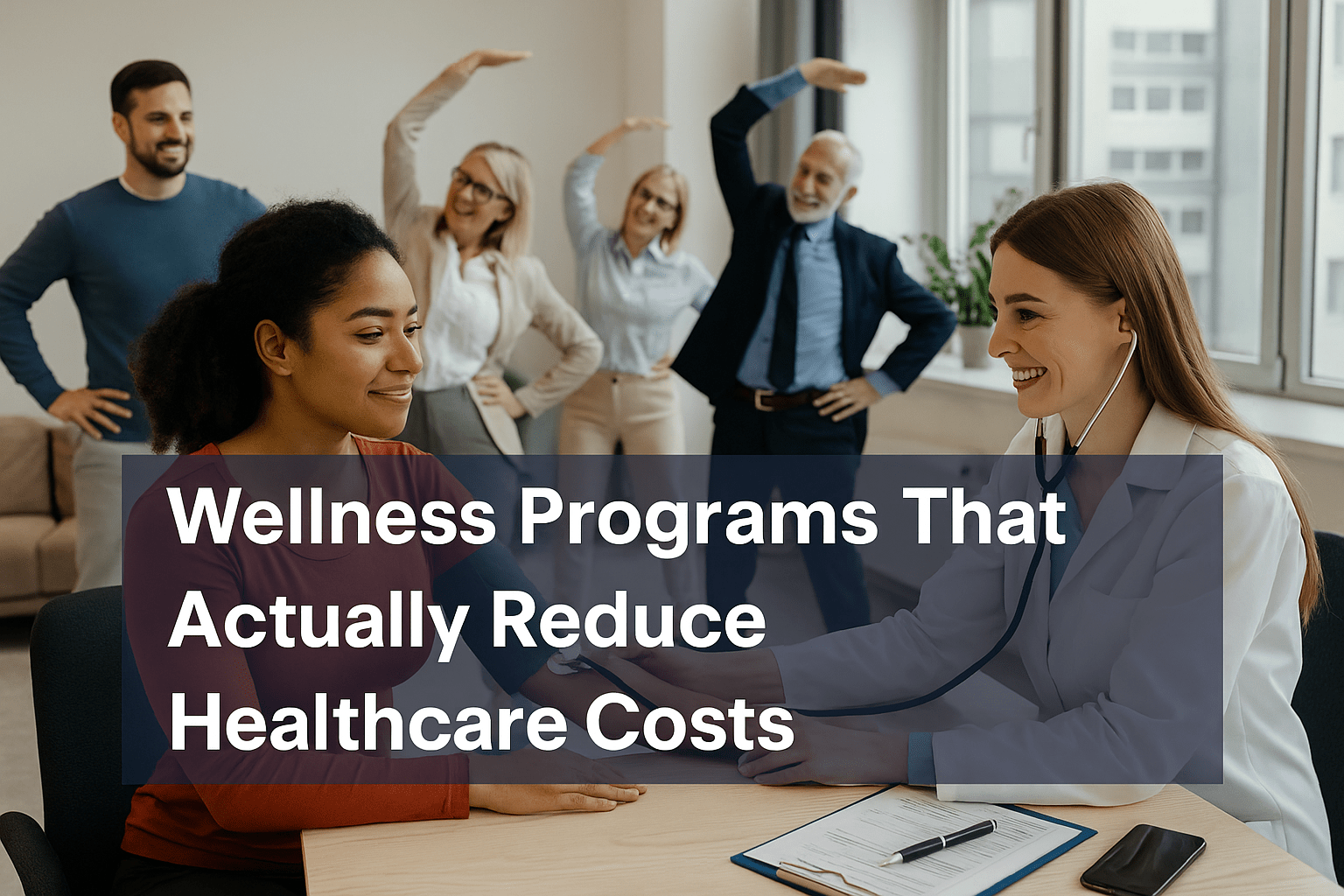
For decades, wellness programs have been promoted as the solution to rising healthcare costs. From gym memberships and smoking cessation classes to mindfulness apps and health screenings, the idea has always been simple: healthier employees cost less to insure.
But over time, reality proved more complex. Many organizations discovered that traditional wellness programs, while well-intentioned, often failed to deliver meaningful results. Participation was low, engagement was fleeting, and the financial impact was hard to measure.
Yet, in 2025, something has changed. A new generation of data-driven, holistic wellness programs is emerging, ones that go beyond surface-level perks to target the root causes of poor health, stress, and burnout.
These programs don’t just look good on paper. They actually work, improving health outcomes, lowering claims, and building stronger, more resilient workforces.
At Taylor Benefits Insurance Agency, we’ve seen firsthand how the right wellness strategy can transform both employee well-being and the bottom line. In this article, we’ll explore what makes modern wellness programs effective, the science behind cost reduction, and how employers can design initiatives that truly make a difference.
The early wave of corporate wellness programs in the 2000s was largely transactional. Employers offered gym discounts, flu shots, or step challenges, hoping employees would make healthier choices on their own.
But as health costs continued to rise, it became clear that wellness couldn’t be a side project — it had to be an integrated part of the benefits strategy.
Today’s most successful wellness programs recognize that health isn’t just physical. It’s emotional, financial, and social — and all these dimensions affect both productivity and healthcare utilization.
This holistic view of well-being forms the foundation for wellness programs that actually move the needle.
Before exploring what works, it’s worth understanding why so many older wellness initiatives fell short:
One-size-fits-all design: Not all employees have the same health risks, interests, or access to care. Generic programs failed to connect.
Lack of personalization: Employees need tailored support — not broad challenges or mass emails.
Short-term focus: Many programs lacked sustained engagement or follow-up, leading to minimal behavioral change.
No data integration: Without metrics or claims data, employers couldn’t measure ROI or link participation to outcomes.
Low trust or privacy concerns: Employees were reluctant to share health information with employers, reducing participation rates.
Modern wellness programs address these issues head-on — using analytics, empathy, and technology to create experiences that genuinely improve lives.

In 2025, the definition of workplace wellness is more sophisticated, inclusive, and evidence-based than ever before.
Truly effective wellness programs share several key characteristics:
The best wellness programs start with a clear understanding of employee health data, from biometric screenings and claims trends to absenteeism and engagement metrics.
For instance, if claims data show rising costs related to hypertension and diabetes, an employer can implement targeted programs focused on nutrition, preventive care, and medication adherence.
This precision approach ensures that investments go where they’re needed most.
Mental health and physical health are inseparable. Chronic stress, anxiety, and burnout contribute directly to physical illness and healthcare utilization.
In 2025, wellness programs that produce measurable cost savings always include robust mental health support — from on-demand therapy and mindfulness apps to digital behavioral coaching and manager training.
Employers that treat mental health as preventive care, not crisis care, see significant reductions in overall claims.
Wearable devices, telehealth apps, and AI wellness platforms make tracking and personalization easy — but without human touchpoints, engagement fades.
The most effective programs blend digital convenience with personal support, such as live health coaching, small group challenges, and one-on-one consultations.
Technology enables insight; relationships sustain motivation.
Wellness shouldn’t operate in a silo. Employers that align wellness with their health insurance, pharmacy, and preventive care initiatives see stronger results.
For example, connecting biometric screenings with zero-cost preventive care visits or offering incentives for completing health assessments that inform care management programs creates a continuous feedback loop between health and benefits.
Health outcomes differ across demographics, income levels, and job roles. Effective wellness programs ensure all employees, from office staff to field workers, can participate meaningfully.
That means providing multilingual materials, flexible participation options, and equitable access to programs regardless of shift or location.
Equitable wellness is sustainable wellness.

So how exactly do wellness programs reduce healthcare costs? The connection isn’t just philosophical — it’s measurable.
Here’s how the most successful initiatives achieve real financial impact:
Conditions like diabetes, heart disease, and hypertension drive a majority of medical claims. Effective wellness programs identify risk early and promote preventive care, reducing long-term treatment costs.
According to the CDC, every $1 invested in workplace wellness can yield up to $3 in medical cost savings when chronic conditions are managed proactively.
Healthier employees miss fewer days of work — but just as important, they perform better when they’re present.
When employees manage stress, sleep better, and maintain energy through wellness initiatives, overall productivity rises. The resulting efficiency often offsets program costs many times over.
Wellness programs that track biometric data or encourage preventive screenings help detect conditions before they escalate into costly emergencies.
This shift from reactive to proactive care is one of the strongest predictors of cost savings.
Educating employees about when to use telehealth, urgent care, or primary care reduces unnecessary ER visits — one of the largest avoidable costs in group health plans.
Let’s look at what real, cost-effective wellness looks like in action.
Leading companies now use digital wellness platforms that aggregate fitness, nutrition, and mental health tools in one place. Employees receive custom recommendations, track progress, and earn incentives — all while feeding anonymized data into employer dashboards for tracking ROI.
Employers are partnering with care management vendors that specialize in conditions like diabetes or hypertension. These programs provide continuous remote monitoring, personalized coaching, and medication adherence support — dramatically reducing hospital admissions.
Incentivizing preventive care — like annual checkups, flu shots, or cancer screenings — ensures early detection and intervention. Some employers cover 100% of preventive services to encourage participation.
From access to licensed therapists to mindfulness workshops and stress management apps, these initiatives focus on emotional well-being as a cost-saving driver. Employers who invest in mental health consistently see lower turnover and reduced short-term disability claims.
Well-designed incentives — such as reduced premiums for completing wellness milestones or cash rewards for achieving biometric goals — boost participation and accountability.
The key is to make incentives inclusive and achievable rather than punitive or overly competitive.

The success of a wellness program isn’t measured by participation alone — it’s measured by outcomes.
Employers that track both short-term and long-term metrics see where their investment is paying off. These metrics may include:
Decreased healthcare claims and premiums.
Lower absenteeism rates.
Improved employee engagement and satisfaction.
Reduced turnover linked to burnout or chronic illness.
Taylor Benefits helps clients build data dashboards that connect wellness participation directly to claims data, giving a clear view of financial impact over time.
The result is a quantifiable understanding of how wellness translates into real savings.
A wellness program can’t succeed if it’s seen as an optional add-on. Leadership must set the tone — modeling healthy behaviors, celebrating milestones, and integrating wellness into the company’s core values.
A culture that supports health — through flexible schedules, mental health days, and open communication — magnifies the impact of any wellness initiative.
When employees believe their well-being truly matters, participation becomes intrinsic, not incentivized.
At Taylor Benefits Insurance Agency, we go beyond plan administration — we help employers design integrated wellness strategies that deliver measurable value.
Our services include:
Program Design and Vendor Selection: Identifying wellness partners that align with your workforce needs and budget.
Data Analytics and Reporting: Connecting wellness participation to claims outcomes for clear ROI measurement.
Communication Strategy: Crafting education materials and engagement campaigns that resonate with diverse employees.
Regulatory Compliance: Ensuring wellness programs meet HIPAA and ADA standards while protecting employee privacy.
Integration with Benefits: Aligning wellness with group health, telehealth, and preventive care initiatives for maximum impact.
By partnering with Taylor Benefits, employers gain a trusted advisor who ensures their wellness investments create lasting, measurable value.

The wellness landscape continues to evolve, powered by technology, AI, and growing awareness that health is multi-dimensional.
Future programs will likely include:
Predictive health analytics to forecast risk before illness develops.
Wearable-integrated benefits platforms to track real-time metrics.
Equity-focused wellness designs ensuring access for all demographics.
Environmental wellness initiatives linking workplace sustainability with employee health.
In short, the next generation of wellness isn’t about chasing participation rates — it’s about transforming outcomes.
Wellness programs that actually reduce healthcare costs don’t rely on gimmicks — they rely on insight, empathy, and integration.
They’re not about free gym memberships; they’re about helping people live healthier, more balanced lives. They empower employees to take ownership of their health and create a culture where prevention replaces reaction.
For employers, that means fewer claims, lower costs, and stronger teams. For employees, it means feeling supported, valued, and genuinely cared for.
At Taylor Benefits Insurance Agency, we help organizations bring that vision to life, designing wellness programs and other employee benefits that work for people and deliver for business.
Because when wellness becomes part of your company’s DNA, everyone benefits, your employees, your culture, and your bottom line.
The most common mistakes include launching programs without clear goals, failing to engage employees, offering generic incentives that don’t motivate, neglecting mental health, and not tracking results to measure effectiveness.
Most employers begin noticing measurable improvements within one to three years, depending on participation levels and program design. Preventive care, chronic condition management, and mental health support often deliver gradual savings by reducing emergency claims, absenteeism, and long-term treatment costs over time.
A customized approach is usually more effective because every workforce has different needs. Employers can create programs based on employee interests, health risks, company goals, and available resources.

Todd Taylor oversees most of the marketing and client administration for the agency with help of an incredible team. Todd is a seasoned benefits insurance broker with over 35 years of industry experience. As the Founder and CEO of Taylor Benefits Insurance Agency, Inc., he provides strategic consultations and high-quality support to ensure his clients’ competitive position in the market.

We just started working with Taylor Benefits and could not be happier. Todd gave us quite the education as well as some time saving tools to help us manage our HR and save money too. We are looking forward to a long relationship!”
-Carol, Accounting Manager, recruitment marketing company, Campbell, CA
We’re ready to help! Call today: 800-903-6066