
- Providing world class service and value for employee benefit group plans since 1987

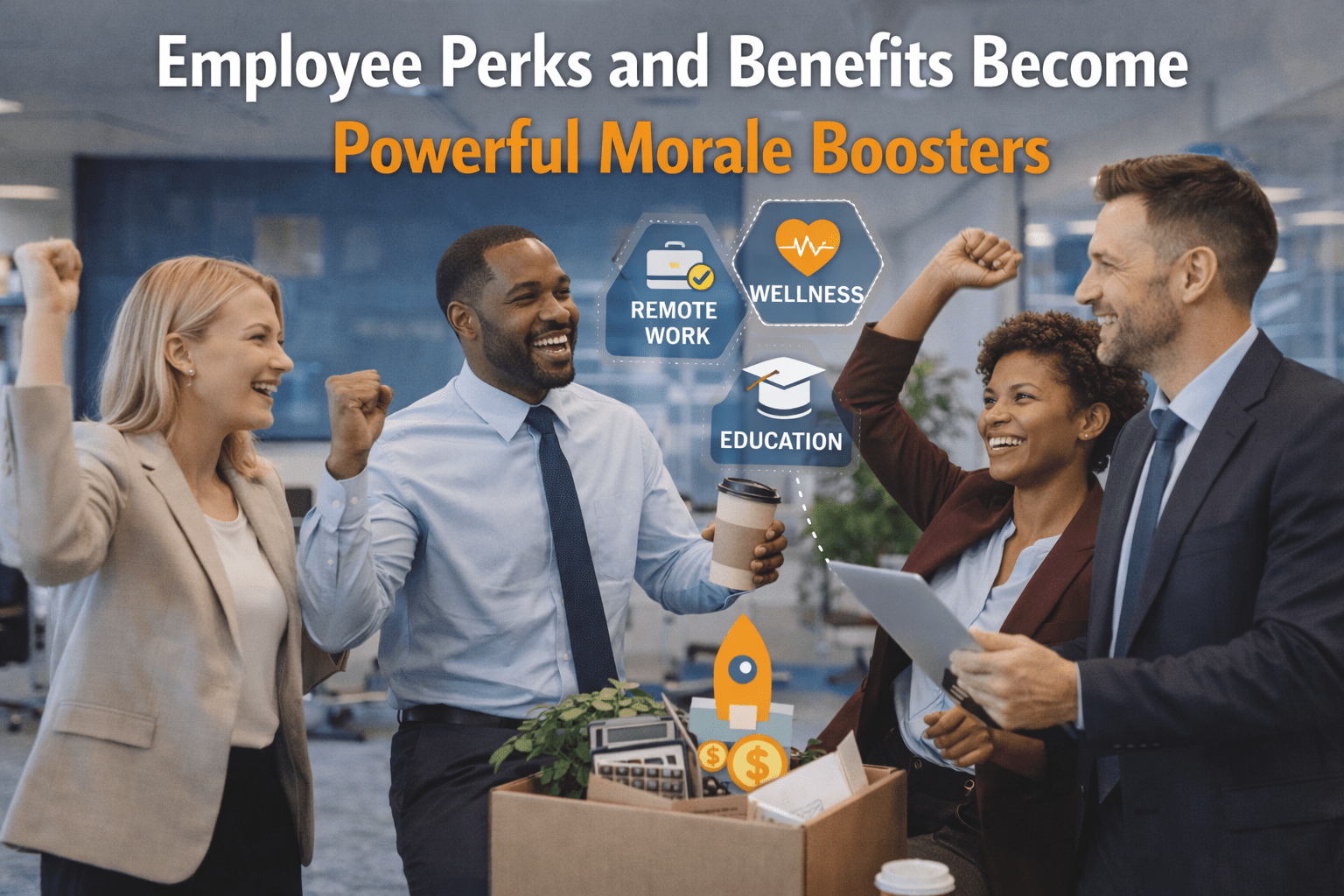
Employee perks often shape how we imagine modern workplaces. Think of flexible schedules, collaborative spaces, wellness offerings, or small conveniences that make the workday easier. While these extras may seem minor on the surface, when paired with strong core benefits, they can play a meaningful role in boosting employee morale, engagement, and loyalty.
In today’s competitive labor market, employers are increasingly realizing that morale isn’t driven by salary alone. A thoughtful mix of foundational benefits and well-aligned perks can transform the employee experience—helping people feel supported, valued, and motivated to do their best work.
Let’s explore how employee perks differ from benefits, why both matter, and how organizations can use them strategically to improve morale and performance.
Most employees expect a baseline level of benefits—health insurance, paid time off, and access to retirement savings. These benefits form the foundation of total compensation and are critical to recruitment and retention.
Employee perks, on the other hand, go beyond traditional benefits. They are the extra touches that enhance daily work life and help create a more enjoyable, supportive environment.
Common examples of employee perks include:
Flexible scheduling or hybrid work options
Catered lunches or free snacks
On-site or virtual wellness offerings
Administrative conveniences, such as concierge services
Casual dress codes or creative workspaces
Perks are often introduced as organizations grow, but they aren’t limited to large companies or startups. When designed intentionally, perks can be scaled to fit businesses of all sizes.

Employee benefits typically address essential needs and long-term security, such as:
Medical, dental, and vision insurance
Life and disability coverage
Mental health benefits and employee assistance programs
Retirement plans like 401(k)s
Paid time off
These benefits provide stability and peace of mind. They protect employees’ health, finances, and ability to rest and recharge. Many employers are also expanding benefits to include wellbeing-focused offerings, such as stress management and flexible work arrangements, recognizing their impact on engagement and retention.
Employee perks, by contrast, focus on the day-to-day experience. They add convenience, enjoyment, and flexibility—enhancing morale rather than addressing fundamental needs. The strongest strategies use perks to complement, not replace, a solid benefits foundation.
Well-designed perks don’t just make employees happier—they support key business outcomes.
In a crowded job market, perks help employers stand out. Candidates increasingly look for workplaces that support work-life balance, personal growth, and wellbeing. Perks signal that a company values its people beyond productivity alone.
Employees who feel appreciated and supported are more likely to stay. Perks that reduce stress, increase flexibility, or make work more enjoyable can strengthen emotional connections to the organization and reduce turnover.
Some perks are designed specifically to remove distractions. Flexible schedules, remote work options, or services that save employees time can help teams focus more fully on their work—without extending hours or increasing burnout.
Morale improves when employees feel seen and valued. Recognition programs, wellness offerings, and thoughtful conveniences reinforce a positive workplace culture where people want to contribute and collaborate.
Physical wellness perks, such as gym access or fitness reimbursements, can improve energy levels, reduce stress, and support overall health. For employers, healthier employees often mean lower absenteeism and higher engagement.
Education-related perks help employees grow professionally while easing financial pressure. Supporting learning and debt reduction shows a long-term investment in employees’ futures.
Flexible hours, remote work, hybrid schedules, and alternative workweeks give employees greater control over their time. This flexibility reduces burnout and helps employees balance personal responsibilities without sacrificing performance.
Small perks like nutritious snacks or beverages can have an outsized impact—keeping employees energized and reinforcing a culture that values wellbeing.
Access to counseling, mindfulness resources, stress management workshops, and support groups demonstrates that mental health matters. These programs help employees manage challenges and build resilience.
As employee expectations evolve, many organizations are expanding beyond traditional perks.
Financial stress is a major morale drain. Offering financial education, budgeting tools, retirement planning support, or access to financial counseling can reduce anxiety and improve focus at work.
For many employees, pets are family. Pet insurance perks can be especially appealing to younger workers and show empathy for employees’ lives outside the office.
Early office closures or shortened days during holiday periods give employees extra time to recharge and manage personal commitments—boosting goodwill and loyalty.
Discounts on products, services, travel, dining, education, or technology can stretch employees’ paychecks and enhance overall satisfaction.
Volunteer days allow employees to give back without financial sacrifice. These programs foster pride, purpose, and stronger connections among team members.
Beyond standard vacation policies, some employers offer sabbaticals, vacation stipends, milestone-based PTO, or mandatory time off to prevent burnout and encourage rest.

Morale isn’t just individual—it’s collective.
Games, challenges, social events, or shared experiences help break down silos, strengthen relationships, and improve communication across teams.
Company lunches, coffee breaks, or casual meetups encourage organic interaction and can spark collaboration and creativity.
Fun committees or culture teams give employees a voice in shaping workplace experiences, ensuring activities reflect real interests and preferences.
The most effective perks are those employees actually use and value.
Quarterly check-ins, focus groups, or informal lunches can reveal what’s working and what isn’t.
Surveys provide structured insights into satisfaction levels, unmet needs, and emerging preferences.
Benefits and perks administration systems can show which offerings are popular and which are underutilized—helping employers refine their approach and allocate resources wisely.
When thoughtfully designed and aligned with employee needs, perks can:
Increase job satisfaction
Strengthen engagement and loyalty
Encourage collaboration and creativity
Perks work best when they complement strong benefits, reinforce company values, and evolve with the workforce.
At Taylor Benefits Insurance Agency, we help employers design benefit and perk strategies that support morale while staying compliant, cost-effective, and aligned with business goals. If you’re evaluating whether your current perks truly support your workforce, a thoughtful review can uncover opportunities to make a lasting impact.
Remote employees value perks that reduce isolation and support work-life balance, such as virtual team events, wellness stipends, and home office allowances.
Flexible work arrangements help employees better manage personal responsibilities, commuting stress, and work-life balance. When employees feel trusted to manage their schedules effectively, they often become more productive, engaged, and loyal to the company. Flexibility also helps reduce burnout and improves overall workplace satisfaction.
Employees value wellness benefits because they support overall health and quality of life. Programs focused on physical, mental, and emotional well-being show that employers care about their teams beyond daily job responsibilities.

Todd Taylor oversees most of the marketing and client administration for the agency with help of an incredible team. Todd is a seasoned benefits insurance broker with over 35 years of industry experience. As the Founder and CEO of Taylor Benefits Insurance Agency, Inc., he provides strategic consultations and high-quality support to ensure his clients’ competitive position in the market.

We just started working with Taylor Benefits and could not be happier. Todd gave us quite the education as well as some time saving tools to help us manage our HR and save money too. We are looking forward to a long relationship!”
-Carol, Accounting Manager, recruitment marketing company, Campbell, CA
We’re ready to help! Call today: 800-903-6066