
- Providing world class service and value for employee benefit group plans since 1987

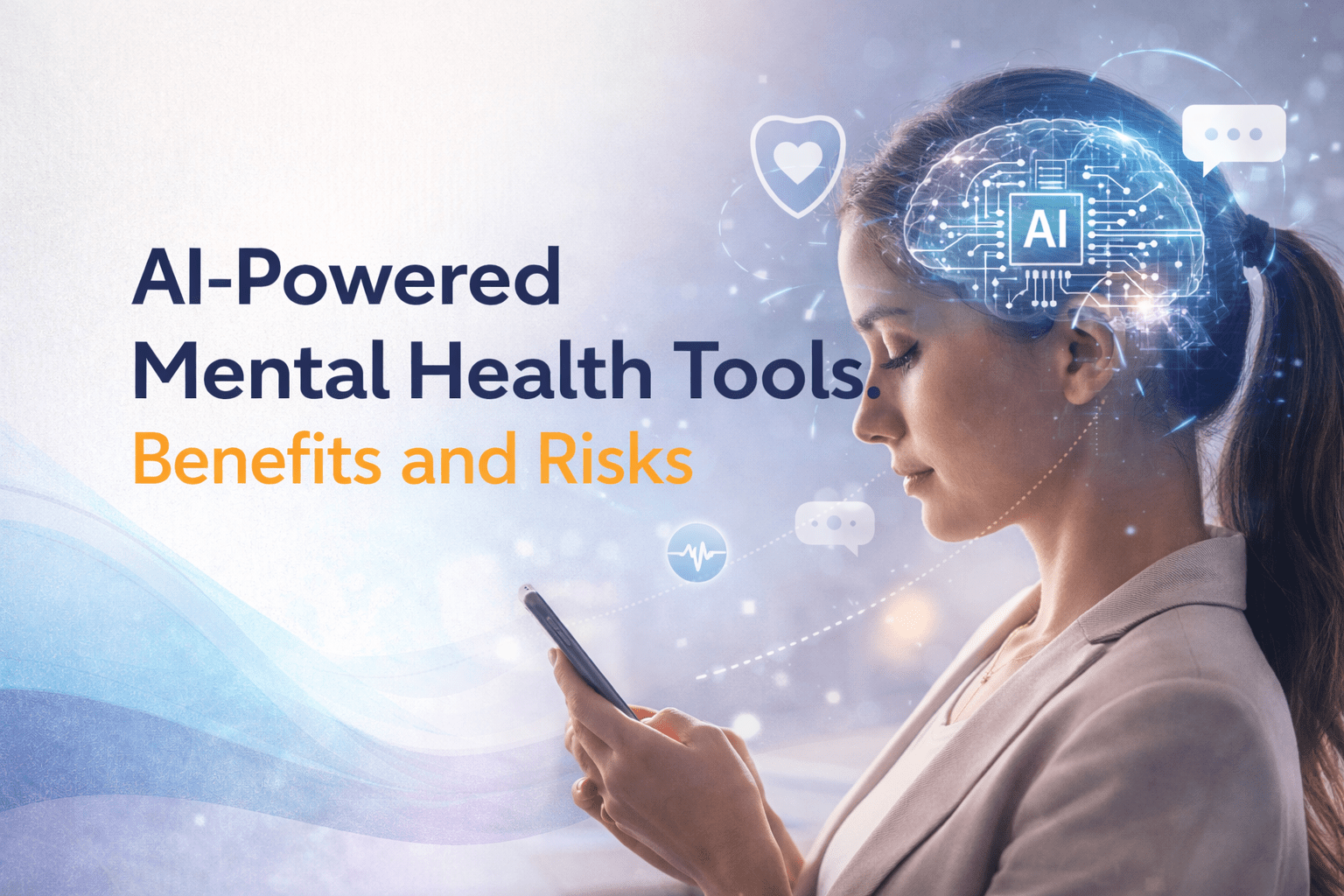
Artificial intelligence is rapidly reshaping how mental health support is delivered in employer-sponsored benefits. In 2026, AI-powered mental health tools, ranging from chatbots and digital coaching to predictive analytics and symptom screening, are increasingly embedded into health plans, employee assistance programs, and standalone wellbeing platforms.
For employers, these tools promise greater access, scalability, and cost efficiency. At the same time, they introduce new risks related to privacy, clinical quality, bias, and compliance. The challenge is no
Read Full Article Here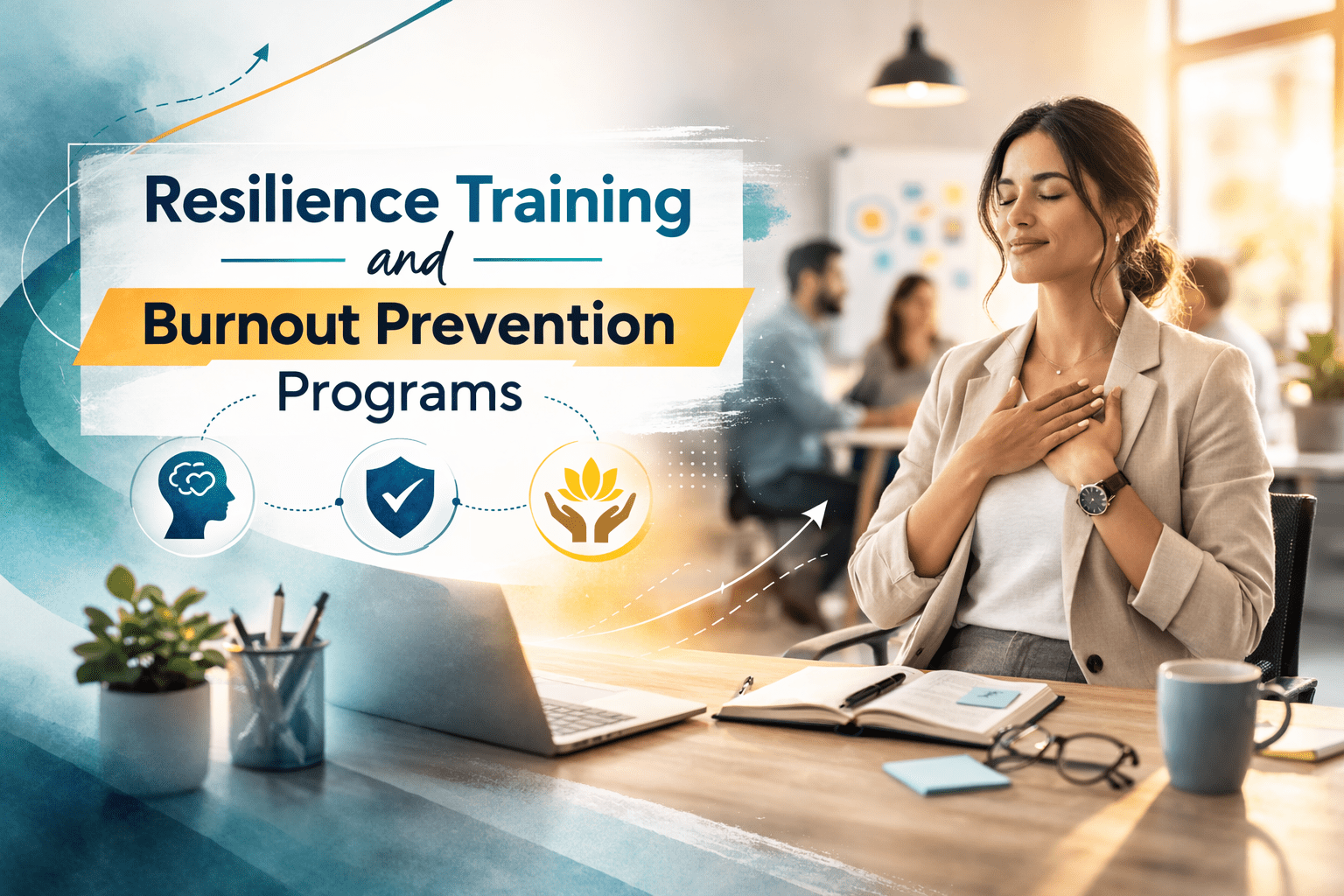
Burnout has moved from an individual wellbeing concern to a systemic business risk. In 2026, employers are increasingly recognizing that burnout drives higher
Read Full Article Here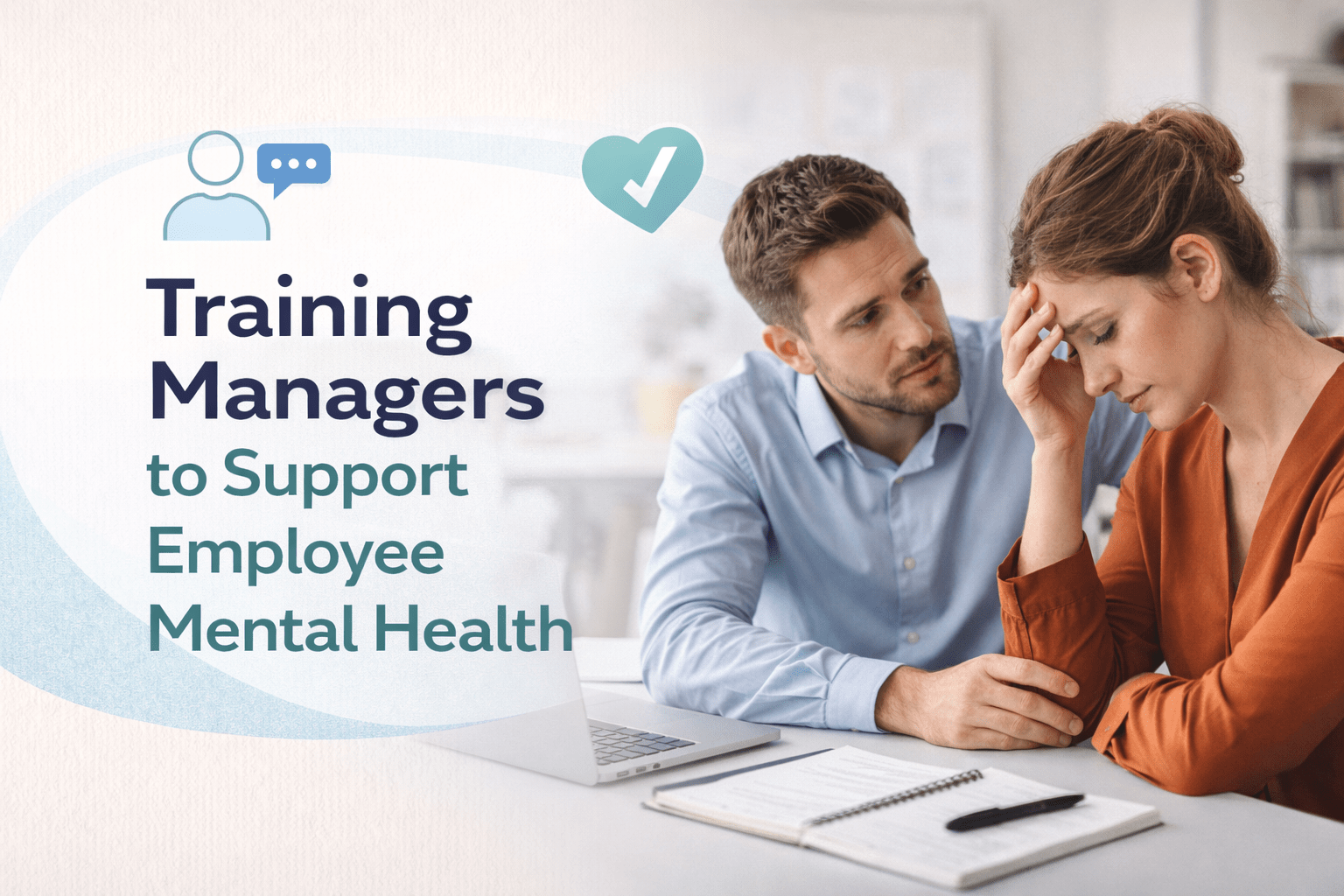
Mental health benefits have expanded rapidly in employer-sponsored health plans, but benefits alone do not determine outcomes. In many organizations, the frontline determinant
Read Full Article Here
Mental health has become one of the most significant, and complex, cost drivers in employer-sponsored health plans. What was once treated as a
Read Full Article Here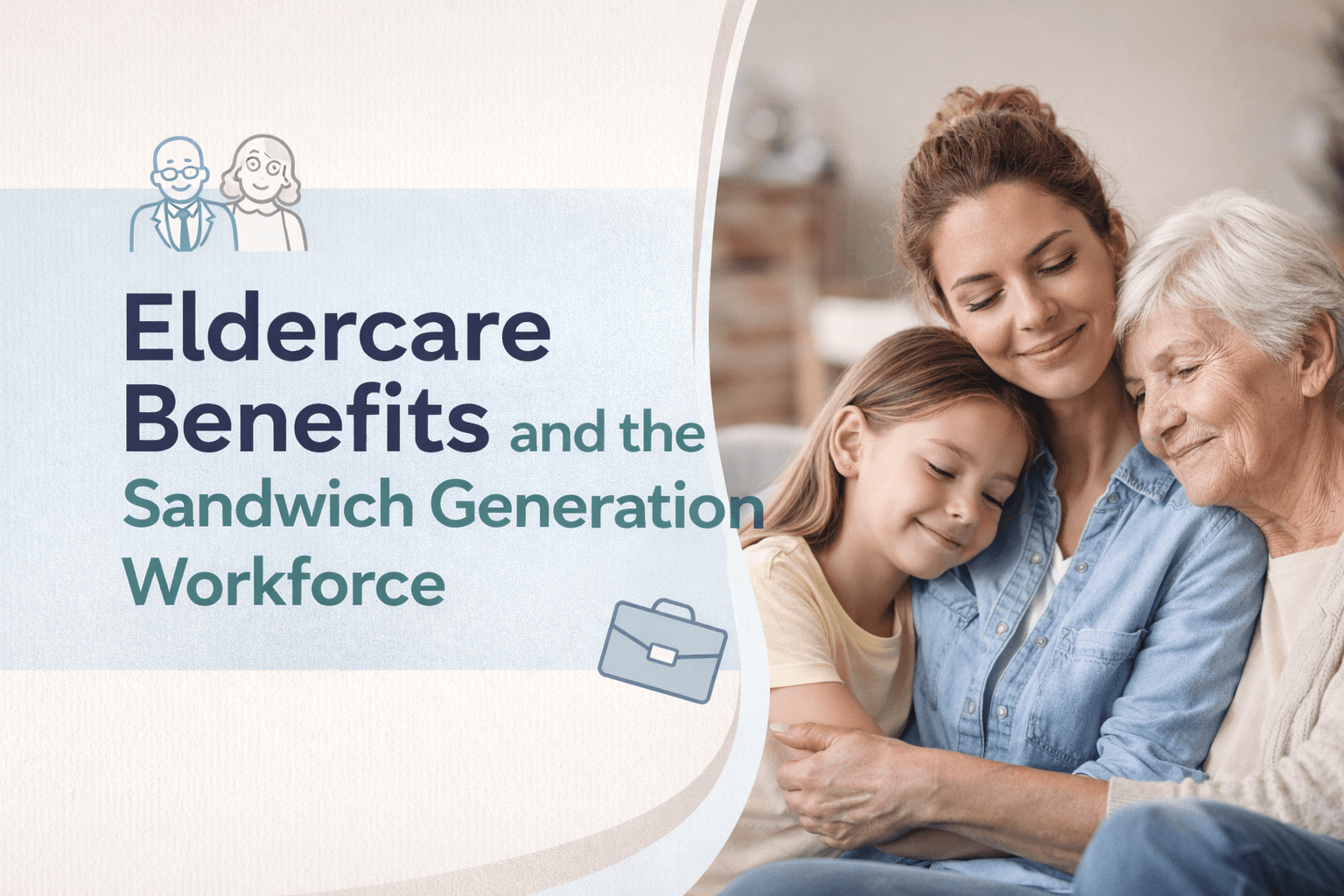
As the workforce ages and family structures evolve, a growing number of employees find themselves caring for both children and aging parents at the same time. This group, commonly referred to as the “sandwich generation”, is becoming one of the most influential demographics shaping employer benefits strategy in 2026.
Eldercare responsibilities are no longer a niche issue. They affect productivity, attendance, mental health, and long-term retention, particularly among mid-career employees who often hold leadership roles or
Read Full Article Here
Family-forming benefits have become a central part of modern employee benefits strategies, but not all family-building paths are treated equally under traditional benefit designs. In 2026, employers are increasingly recognizing that legacy approaches to fertility, parental leave, and dependent benefits often fail to support LGBTQ+ employees in meaningful or equitable ways.
Inclusive family-forming benefits are no longer just a statement of values, they are a practical necessity for attracting and retaining diverse talent, ensuring compliance, and
Read Full Article Here
For many years, women’s health benefits in employer-sponsored plans were largely synonymous with maternity coverage. While pregnancy and childbirth remain important components of healthcare, they represent only a small portion of women’s health needs across a lifetime. In 2026, employers are increasingly recognizing that a maternity-only approach is outdated, incomplete, and misaligned with today’s workforce. Women’s health benefits are expanding to address a broader range of physical, mental, and reproductive health needs—from fertility and contraception to menopause, chronic conditions, and
Read Full Article Here
Men’s health has long been an under-addressed area of employer-sponsored benefits. While men account for roughly half of the workforce, they are
Read Full Article Here
As workforces age and career trajectories extend longer than ever, employers are confronting a reality that has historically been overlooked in benefits design: menopause. Affecting a significant portion of the workforce, menopause is no longer a private health issue—it is a workplace health and productivity issue.
In 2026, leading employers are beginning to recognize that supporting employees through menopause is not just an act of inclusivity, but a strategic investment in retention, engagement, and performance. Organizations
Read Full Article Here
Fertility benefits have rapidly moved from a niche offering to a mainstream expectation in employer-sponsored health plans. In 2026, employers face a shifting
Read Full Article Here
We just started working with Taylor Benefits and could not be happier. Todd gave us quite the education as well as some time saving tools to help us manage our HR and save money too. We are looking forward to a long relationship!”
-Carol, Accounting Manager, recruitment marketing company, Campbell, CA
We’re ready to help! Call today: 800-903-6066