
- Providing world class service and value for employee benefit group plans since 1987


In your happy life, nothing is constant; misfortunes and mishappenings are a part of life, but what matters is how you prepare yourself for the unexpected event. Your health should be the first priority, but unfortunately, there could be an event that badly affects your health, resulting in huge medical expenses. It is estimated that each year, around 45,000 Americans suffer from huge losses due to not affording the better medical facilities and not getting proper care.
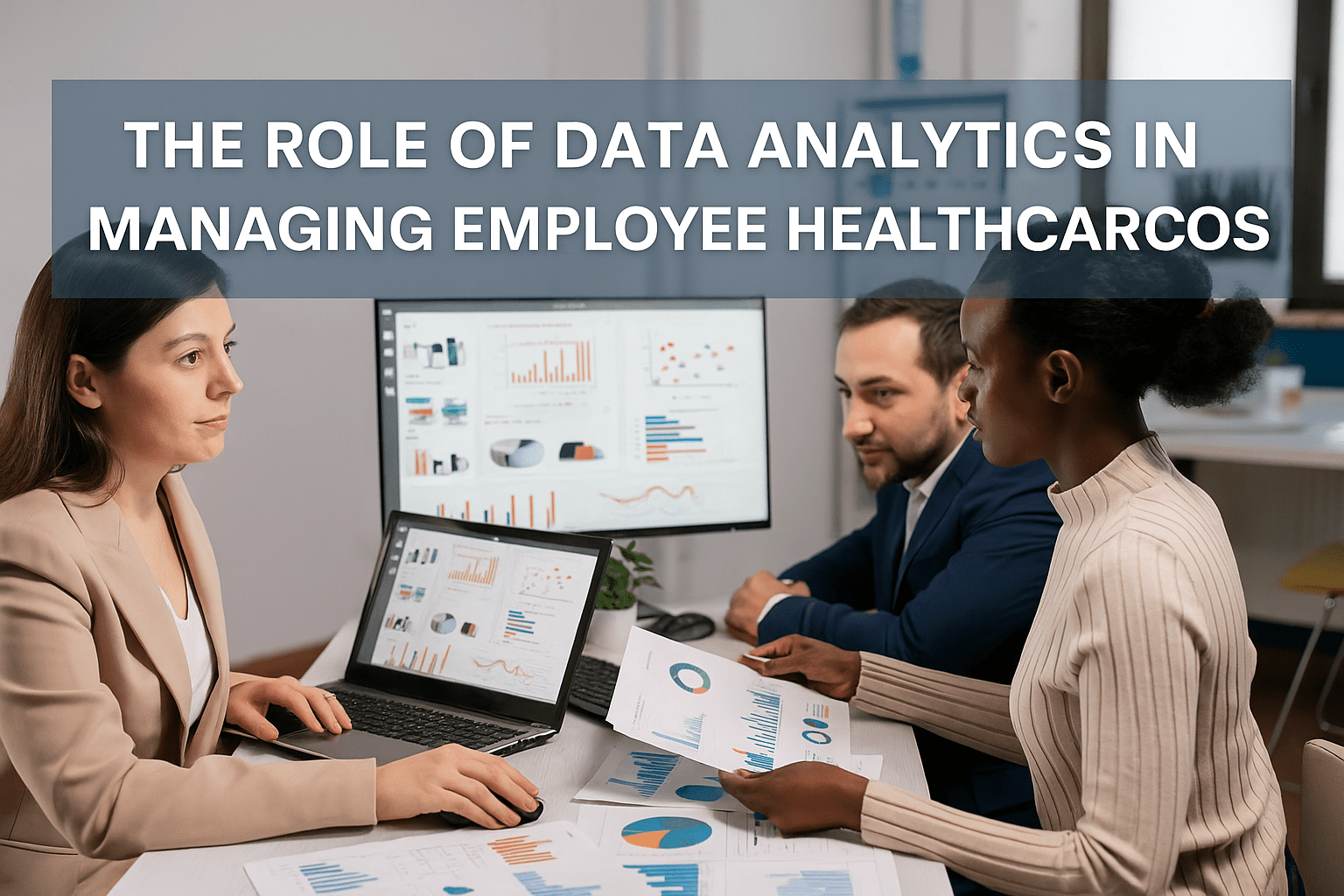
Healthcare costs have been rising faster than inflation for over a decade, and 2025 is no different. Employers face year-over-year increases of 6%–8% in premiums, driven by specialty drug prices, chronic conditions, and expanding mental health needs.
But here’s the good news: today’s employers have access to something previous generations didn’t — data analytics.
Data analytics has become one of the most powerful tools for managing employee healthcare costs. When used
Read Full Article Here
For employers, offering competitive benefits is only part of the job — staying compliant with the IRS’s complex reporting requirements is the other.
Between ACA filings, Form 5500 reports, and payroll-related filings, there are dozens of important tax deadlines that tie directly into employee benefits. Missing these deadlines can lead to hefty penalties, not to mention headaches during audits or renewals.
In this guide, we’ll
Read Full Article Here
Mergers and acquisitions (M&A) are defining moments in a company’s growth — filled with opportunity, complexity, and high stakes. Yet one area that consistently causes disruption and confusion during these transitions is employee benefits.
When two organizations come together, their benefit programs — from health insurance and retirement plans to paid leave and wellness perks — must also merge. And doing that smoothly is both a strategic necessity and a Read Full Article Here

When it comes to managing employee benefits, few laws are as far-reaching or misunderstood as the Employee Retirement Income Security Act of 1974 (ERISA).
For employers, ERISA compliance isn’t optional — it’s a legal obligation. Whether you offer health insurance, disability coverage, or a 401(k), ERISA sets the rules for how those plans are managed, communicated, and reported.
Yet every year, employers face costly
Read Full Article Here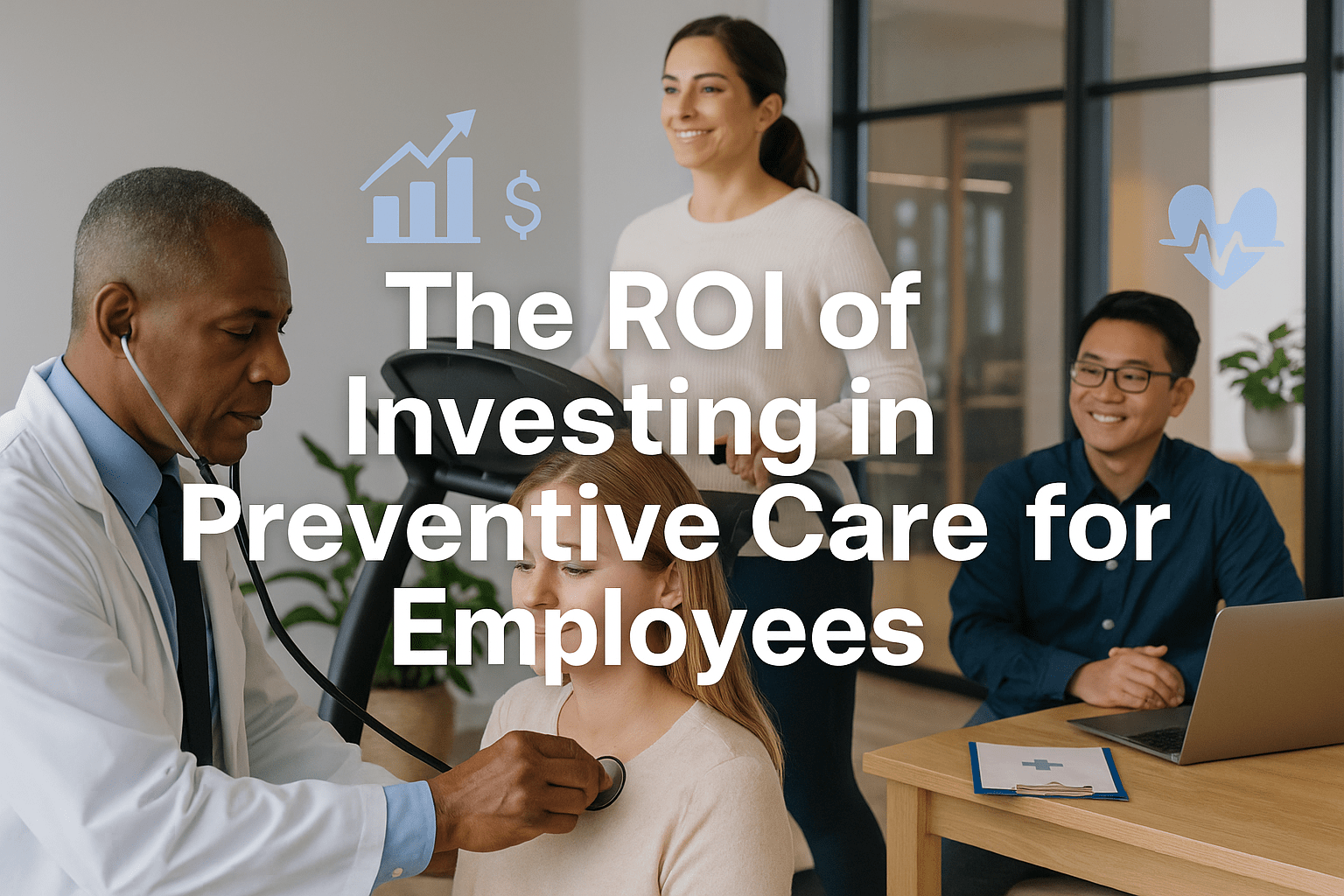
When employers think about healthcare costs, they often focus on managing claims or negotiating renewals. But the real key to long-term savings lies upstream — in prevention.
Preventive care helps employees stay healthy, detect issues early, and avoid high-cost medical interventions later. In 2025, forward-thinking companies are realizing that investing in preventive health isn’t just good for employees — it’s one of the smartest financial decisions they can make.
This article
Read Full Article Here
In 2025, workplaces are more diverse than ever before — not just in terms of culture and gender, but in age and life stage. For the first time in history, many companies have as many as five generations working side by side:
Traditionalists / Silent Generation (born before 1946 — rare but still present in consulting or part-time roles)
Baby Boomers (1946–1964)
Generation
Read Full Article Here
Prescription drugs account for nearly 30% of total healthcare spending in the U.S., and costs continue to rise faster than inflation. For employers offering group health insurance, managing pharmacy expenses has become one of the biggest challenges — and opportunities — in benefits strategy.
At the center of this issue are Pharmacy Benefit Managers (PBMs) — powerful intermediaries that influence how much employers and employees pay for prescription drugs. But how
Read Full Article Here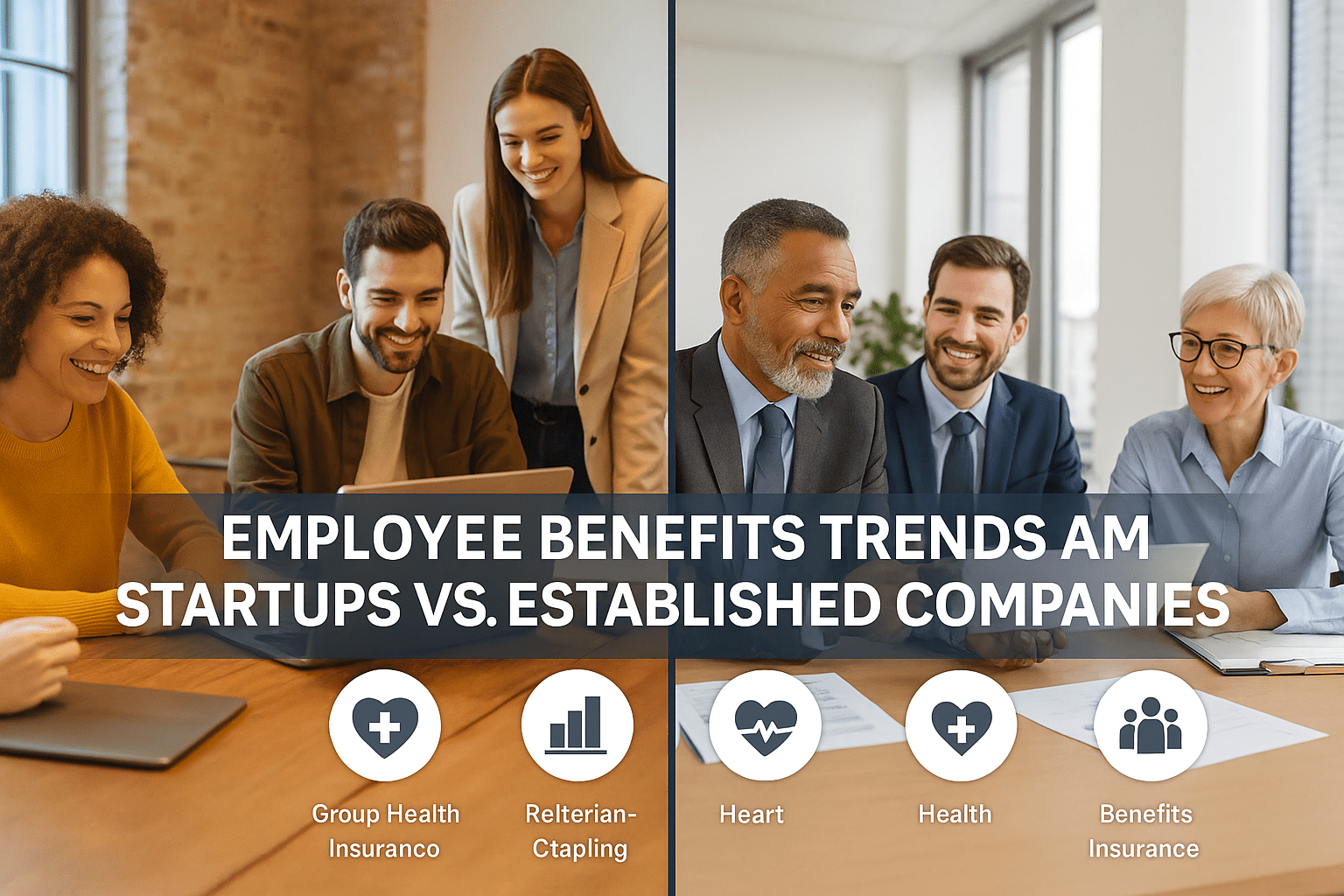
When it comes to designing employee benefits, startups and established companies often face very different challenges. Startups operate with tight budgets and a focus on rapid growth, while larger organizations typically have more resources and compliance requirements to consider. Yet in today’s competitive labor market, both types of companies must offer benefits that attract and retain talent.
In this article, we’ll explore the employee benefits trends shaping startups and established businesses in 2025 — what makes
Read Full Article Here
For most businesses, health insurance is one of the largest expenses after payroll. Yet many employers don’t realize they have funding model options beyond traditional fully insured coverage. In fact, more and more companies, even mid-sized ones, are exploring self-funded health plans as a way to gain control over rising costs.
So which model is right for your organization in 2025: self-funded or fully insured? This guide will break down the differences, advantages, and disadvantages
Read Full Article Here
We just started working with Taylor Benefits and could not be happier. Todd gave us quite the education as well as some time saving tools to help us manage our HR and save money too. We are looking forward to a long relationship!”
-Carol, Accounting Manager, recruitment marketing company, Campbell, CA
We’re ready to help! Call today: 800-903-6066