
- Providing world class service and value for employee benefit group plans since 1987


San Francisco, with its iconic Golden Gate Bridge, cable cars, and a burgeoning tech industry, is a beacon of opportunity for businesses. With increasing business opportunities comes the responsibility of catering to the health and corporate wellness programs, and well-being of employees. Large-group health insurance is often the solution. This article demystifies the benefits of large group health coverage, key considerations while opting for one, and the associated costs in the city by the Bay.
The cost of a group health insurance plan in San Francisco, especially given its high standard of living, can be on the pricier end. However, the exact cost of a large group- provide health insurance plan hinges on several elements:
On average, San Francisco businesses may expect a health insurance company alone to pay between 70-90% of the insurance premium, with employees covering the balance. However, it’s prudent to acquire quotes from multiple providers to gauge a precise figure.

By using high-deductible health plans and covering a large number of employees, businesses can often secure volume discounts from insurers. This makes the per-person premium generally more affordable than what one would find in individual health insurance plans.
San Francisco’s tech-driven and competitive job market means small businesses will need every edge they can get. Offering a comprehensive health benefits package can be a potent tool in attracting and retaining top-tier talent.
A well-rounded health insurance coverage translates to healthier employees. This health net leads to fewer sick days, elevated morale, and an increase in overall productivity.
Contributions made by businesses towards the health insurance premium of high-quality employees are usually tax-deductible, offering substantial fiscal benefits to small businesses. Go through the Affordable Care Act before getting a health plan!
The primary purpose of a health plan is to address the needs of full-time employees. Conduct surveys or feedback sessions to have employers understand their own group health insurance plans, priorities, and the kind of coverage they’re seeking.
San Francisco is home to a myriad of insurance providers. Research their track records, customer reviews, and efficiency in claim processing before making a selection. Choose a plan that offers flexibility. As your business grows and the medical needs of your employees evolve, the employer-sponsored health insurance plan should be able to adapt.
Health benefits and affordable health coverage are governed by both federal and state-specific regulations. Ensure that the chosen medical insurance plan adheres to both sets of rules, especially in a state like California with its unique mandates.
Given San Francisco’s location and the mobile nature of its workforce, it’s crucial small business health insurance ensure that the same health insurance plan provides adequate coverage, even if an employee seeks treatment outside the city or state. Employee mental health support, an employee assistance program, and health and wellness programs are also held.
In conclusion, as San Francisco continues its trajectory as a hub for innovation and opportunity, the health of its workforce remains paramount. Large group health insurance is the cornerstone in ensuring this wellness. By understanding a group life insurance plan and its manifold benefits, considering essential factors, and being cognizant of the costs, businesses can craft a healthier, more prosperous future.

In California, a large group for health insurance purposes generally refers to an employer with 51 or more full-time equivalent employees. This classification affects the types of plans available, the regulations that apply, and the employer’s obligations under both state and federal law. Large group plans often have more flexibility in plan design and pricing compared to small group plans, and they may offer a wider range of coverage options. In San Francisco, employers meeting this threshold are subject to the same state requirements as other California large employers, including participation rules, coverage mandates, and reporting obligations. Health insurance carriers use this designation to determine eligibility, premiums, and network options for the group.
Large employer health plans often use a form of underwriting that considers participation levels and historical claims experience of the group to set premium rates. Unlike individual plans, insurers typically do not ask each employee for a medical questionnaire, but overall health trends in the group, past claims data, and workforce demographics can influence pricing.
Most large group health plans allow employees to enroll spouses and dependent children. Employers decide how much of the dependent premium they will subsidize, and some companies offer multiple coverage tiers so employees can choose the option that best fits their family needs.
Large employers must follow federal rules like the Affordable Care Act, including minimum essential coverage standards and reporting requirements. They must also comply with state-specific regulations related to coverage benefits, employee eligibility, and consumer protections.
For many employers, they are. Wellness initiatives such as health screenings, fitness incentives, smoking cessation programs, and stress management resources can encourage healthier lifestyles while improving employee engagement. Some insurers also offer discounts or incentives for participating businesses.
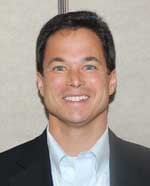
Todd Taylor oversees most of the marketing and client administration for the agency with help of an incredible team. Todd is a seasoned benefits insurance broker with over 35 years of industry experience. As the Founder and CEO of Taylor Benefits Insurance Agency, Inc., he provides strategic consultations and high-quality support to ensure his clients’ competitive position in the market.

We just started working with Taylor Benefits and could not be happier. Todd gave us quite the education as well as some time saving tools to help us manage our HR and save money too. We are looking forward to a long relationship!”
-Carol, Accounting Manager, recruitment marketing company, Campbell, CA
We’re ready to help! Call today: 800-903-6066